Termite Control Services | Best Home Pest Control
Protect your property from structural damage with professional termite control services from Best Home Pest Control. Call (937) 809-8658 for rapid local treatment.
Professional Termite Control & Structural Defense
When it comes to protecting your residential or commercial property from catastrophic, hidden structural damage, nothing is more critical than proactive and aggressive termite management. Termites are notoriously referred to as "silent destroyers" because they consume wood and cellulose materials from the inside out, often leaving surface veneers entirely untouched until structural failure occurs. Best Home Pest Control delivers comprehensive, professional-grade termite control services designed to detect active colonies, eliminate destructive pests at their source, and establish permanent liquid soil barriers or advanced baiting systems to safeguard your investment for the long term.
Understanding the Massive Threat Posed by Termites
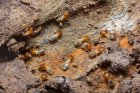
Wood-destroying insects inflict billions of dollars in property damage annually across the United States—surpassing the combined destruction caused by fires, floods, and severe storms. Unlike acute property disasters, termite infestations develop quietly over months and years, making public awareness and routine professional monitoring essential.
-
Cellulose Consumption: Termites feed primarily on cellulose found in lumber, timber framing, drywall paper, subfloors, insulation, and stored paper goods. Their continuous chewing destroys the load-bearing integrity of your building.
-
Hidden Operations: Most termite species operate entirely away from direct light, foraging through dark subterranean soil, mud tubes, or deep within wall voids and foundation timbers. Consequently, property owners rarely notice an active infestation until sagging floors, sticking doors, or hollow timbers are uncovered.
-
Aggressive Colony Growth: A mature underground colony can house millions of individual workers constantly foraging for food. Because a single structure can be targeted by multiple foraging galleries simultaneously, structural degradation can accelerate rapidly if left unmitigated.
Major Termite Species Managed by Our Experts
Different termite species possess unique biological characteristics, habitat preferences, and destruction patterns that require specialized extermination strategies:
1. Subterranean Termites
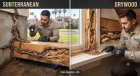
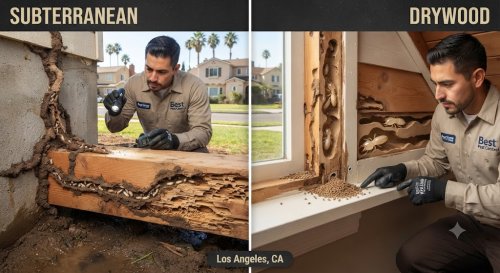
Subterranean termites are the most widespread and destructive wood-destroying pests in the nation. They nest underground in moist soil and require constant ground moisture to survive. To reach above-ground wooden structures, they construct distinctive mud shelter tubes over concrete foundations, brickwork, and crawlspace piers. Their colonies expand rapidly and cause extensive structural damage to sills, joists, and studs.
2. Drywood Termites
Unlike subterranean species, drywood termites do not require contact with soil or external moisture sources. They fly directly onto structures during seasonal swarming flights, burrowing straight into dry, sound wood such as roof rafters, window frames, and structural beams. They carve smooth, clean internal galleries and expel hard, sand-like fecal pellets (frass) through tiny kick-out holes.
3. Formosan Termites
Often referred to as "super-termite" colonies, Formosan termites form massive populations numbering in the millions. They build elaborate above-ground carton nests and attack structural timber with aggressive speed, making them exceptionally dangerous to residential and commercial real estate.
Why Choose Best Home Pest Control for Termite Management?
-
Certified Inspection Specialists: Our licensed technicians possess deep regional expertise in building construction, soil dynamics, and local termite behavior, ensuring precise identification and accurate treatment planning.
-
EPA-Registered & Eco-Friendly Treatments: We utilize state-of-the-art, non-repellent liquid termiticides and advanced eco-friendly baiting systems that completely wipe out colonies without posing hazards to your family, pets, or surrounding yard landscaping.
-
Permanent Preventive Barriers: We don't just eliminate active insects; we create continuous chemical or physical treatment zones around your foundation to block future colonies from entering your property.
-
24/7 Rapid Response Dispatch: Whether you discover sudden swarmer wings on your windowsill or need an urgent pre-purchase inspection report, our team is available around the clock to deliver immediate assistance.
Our Step-by-Step Termite Control Process
-
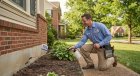
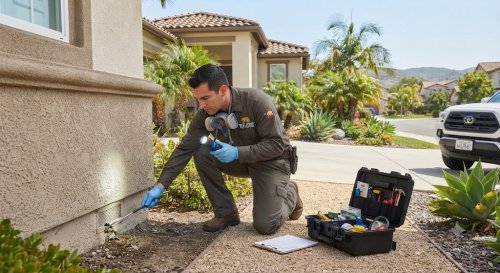
Comprehensive Property Inspection: Our certified specialist executes a rigorous internal and external evaluation, examining foundation lines, crawlspaces, basements, garages, and high-risk wood-to-soil contact points using advanced moisture meters and sounding tools.
-
Species & Infestation Assessment: We identify the exact termite species involved, map out active foraging trails, and determine the severity of structural vulnerability.
-
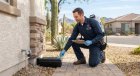
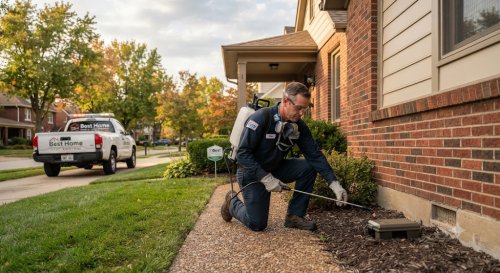
Customized Treatment Execution: Depending on the species and property layout, we deploy targeted solutions—including trench-and-treat liquid termiticide soil barriers, direct wood injections, or strategic station installation.
-
Colony Elimination & Queen Eradication: Our advanced slow-acting products are carried back to the core nest by foraging workers, ensuring the destruction of the queen and complete colony eradication.
-
Post-Treatment Monitoring & Warranty Protection: We establish ongoing monitoring protocols and back our services with robust, industry-leading service warranties for your complete peace of mind.
Frequently Asked Questions About Termite Control
-
How can I tell if my home has a hidden termite infestation? Common warning signs include mud shelter tubes running along foundation walls, discarded translucent swarmer wings near windowsills in the spring, bubbling or peeling paint on wooden trim, and structural wood that sounds hollow when tapped.
-
Why are store-bought termite sprays ineffective? Over-the-counter surface sprays only kill a fraction of exposed worker ants or insects, completely missing the subterranean nest, the queen, and the millions of hidden workers consuming your structural framing from the inside.
-
What is the difference between subterranean and drywood termites? Subterranean termites live in the ground, require high moisture, and build mud tubes to reach wood. Drywood termites live entirely inside dry structural timber, require zero soil contact, and push out distinct sand-like fecal pellets.
-
Are professional termite treatments safe for children and household pets? Yes. Modern professional treatments utilize targeted application methods, low-toxicity formulations, and EPA-registered products that eliminate pests effectively while keeping your family safe.
-
How long do professional termite liquid soil treatments last? Modern non-repellent liquid termiticide barriers applied by certified professionals can protect a property effectively for anywhere from 5 to 10 years, depending on soil conditions and environmental weathering.
-
Are termite inspections mandatory when purchasing a home? Yes. The vast majority of mortgage lenders, conventional banks, and federal loan programs require an official Wood-Destroying Insect (WDI) inspection report prior to closing real estate transactions.
-
Can termites chew through concrete foundations? No, termites cannot eat concrete. However, they easily exploit microscopic expansion cracks, utility penetrations, and gaps in concrete slabs to gain entry into structural wood framing.
-
What time of year are termites most active? While subterranean termites forage year-round, they are most frequently noticed in spring when mature colonies launch winged reproductive swarmers to establish new satellite colonies.
-
Does homeowners insurance cover damage caused by termites? Standard homeowners insurance policies classify termite damage as preventable maintenance and typically do not cover repair costs unless explicit optional riders are purchased.
-
How can I get immediate termite control service for my property? Call Best Home Pest Control right now at (937-809-8658) for 24/7 rapid response inspection, professional treatment, and guaranteed structural protection.