Localized Introduction & Architectural Triggers
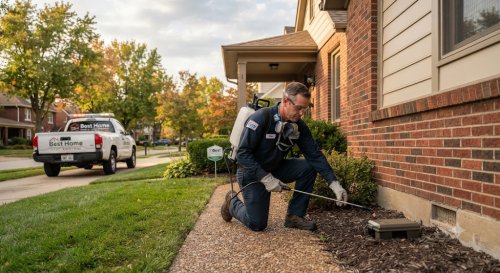
In Orlando, Florida, attempting DIY termite eradication against eastern subterranean termites (Reticulitermes flavipes) and highly destructive Formosan subterranean termites (Coptotermes formosanus) fails due to insect biology and local housing construction. Central Florida's high annual rainfall, elevated water table, and high year-round relative humidity turn sandy soils into an ideal environment for underground termite colonies housing hundreds of thousands to millions of foragers.
                  ORLANDO CONCRETE SLAB TERMITE ENTRY

 [ Untreated Sandy Soil / High Moisture ] ---> Subterranean Colony Nesting
 -------------------------------------------------------------------------------------
 [ Cold Joints / Monolithic Slab Edge   ] ---> Mud Shelter Tube Construction (<1/16")
 =====================================================================================
 [ Stucco Weep Holes / Bath Traps       ] ---> Direct Structural Framing Infiltration
 ~~~~~~~~~~~~~~~~~~~~~~~~~~~~~~~~~~~~~~~~~~~~~~~~~~~~~~~~~~~~~~~~~~~~~~~~~~~~~~~~~~~~~
 [ Load-Bearing Wall Studs & Trusses   ] ---> Rapid Structural Cellulose Destruction
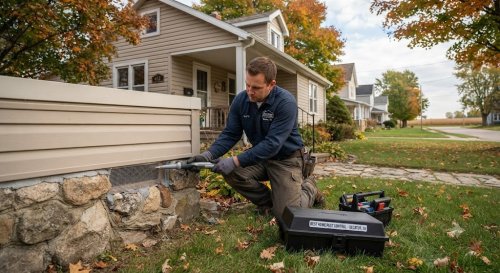
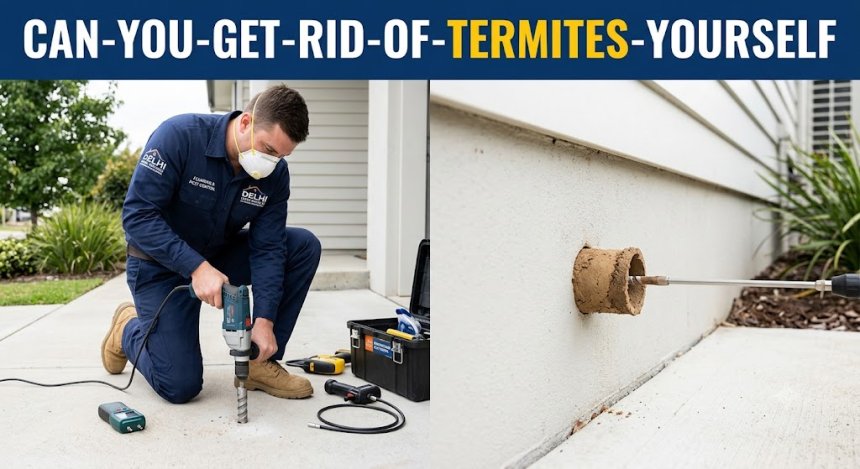
Homes located along Pineway Dr, Cypress Grove, and surrounding Orange County neighborhoods predominantly feature monolithic slab-on-grade concrete foundations with exterior stucco finishes. Subterranean termites do not require open cracks; they exploit micro-gaps as small as 1/32nd of an inch in slab expansion joints, plumbing bath traps, utility pipe penetrations, and exterior stucco weep holes. Over-the-counter sprays applied to visible mud tubes only kill a tiny fraction of surface foragers, causing the main underground colony to build secondary gallery bypasses directly into structural wall framing, ceiling joists, and roof trusses.
3. Seasonal Pest Prevention Framework
Fall/Winter Protocols
-
Stucco Weep Hole & Expansion Joint Audits: Clear soil and mulch buildup away from stucco weep holes along the perimeter foundation, maintaining a minimum 4-to-6-inch visible concrete slab clearance.
-
Attic & Structural Envelope Sealing: Inspect roofline soffits, fascia boards, and attic gables after tropical storm season; seal gaps larger than 1/4 inch with galvanized hardware cloth and stainless steel fasteners.
-
Firewood & Cellulose Storage Isolation: Elevate firewood, cardboard storage boxes, and scrap lumber at least 6 inches off the ground and move them at least 20 feet away from exterior foundation walls.
-
Polyurethane Expansion Joint Sealing: Fill driveway and patio cold joints adjacent to the house slab with exterior-grade polyurethane sealant to block subterranean entry pathways.
Spring/Summer Protocols
-
Vegetation & Mulch Clearances: Maintain a strict 18-to-24-inch buffer between landscape mulch or shrubbery and exterior foundation walls; replace organic wood mulch with pine straw, pea gravel, or crushed granite.
-
Downspout & Moisture Reduction: Extend downspout tails 6 feet away from slab edges and calibrate irrigation heads so water spray does not directly hit exterior stucco or brick veneer.
-
Door Sweeps & Opening Screens: Replace worn door sweeps on garage and patio doors; install fine-mesh screening over attic and crawlspace gable vents ahead of spring termite swarming flights.
-
A/C Condensate Line Routing: Direct air conditioning condensation runoff into outdoor drainage lines rather than letting it pool adjacent to the home's concrete foundation.
Year-Round Interior Habits
-
Food & Pantry Isolation: Store dry pantry goods, pet foods, and birdseed in heavy-duty airtight plastic or glass containers instead of paper sacks or cardboard boxes.
-
Humidity Control Targets: Use central air conditioning or dedicated dehumidifiers to keep attic and indoor relative humidity consistently below 50% to prevent timber moisture absorption.
-
Avoid Repellent Pesticide Misuse: Refrain from applying retail synthetic pyrethroid aerosol sprays directly onto active termite mud tubes or crawling ant trails, as repellent chemistries trigger colony splitting (budding).
4. Emergency Dispatch Matrix
| Emergency Scenario | Primary Structural & Health Risks | Immediate Action Required |
| Active Subterranean Termites Piercing Drywall | Rapid, undetected destruction of load-bearing wood studs, headers, and ceiling joists. | Do NOT break mud tubes or spray retail pesticides. Call Best Home Pest Control at +1 (937) 809-8658 immediately for non-repellent chemical barrier application. |
| Active Rodents in Kitchen / Prep Zones | Food supply contamination, airborne pathogen spread (Salmonella/Hantavirus), and electrical fire hazards from gnawed wire insulation. | Isolate open food supplies, block lower door gaps, and request immediate mechanical trapping and structural exclusion dispatch. |
| Stinging Insect Nest Inside Wall Void or Attic | High anaphylaxis risks for occupants and drywall structural failure caused by honey or decaying larvae. | Vacate the affected room, close doors, and do NOT block exterior exit holes prior to professional extraction. |
| Interior Wildlife Encounter (Raccoon, Bat, Opossum) | Direct bite/scratch hazards, rabies exposure risks, histoplasmosis spores, and major insulation destruction. | Isolate the animal in a single room with interior doors closed, keep children and pets clear, and request emergency dispatch. |
5. Systematic 5-Step Professional Inspection Workflow
   [STEP 1] 360° Exterior & Concrete Slab Edge Entry Mapping
      │
      ▼
   [STEP 2] Interior Micro-Habitat & Thermal Moisture Analysis
      │
      ▼
   [STEP 3] Species Identification & Colony Density Staging
      │
      ▼
   [STEP 4] Custom IPM Formulation (Non-Repellent & Bait Systems)
      │
      ▼
   [STEP 5] Precision Perimeter Injection & Follow-Up Monitoring
      │
-
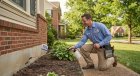
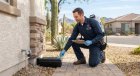
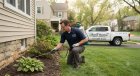
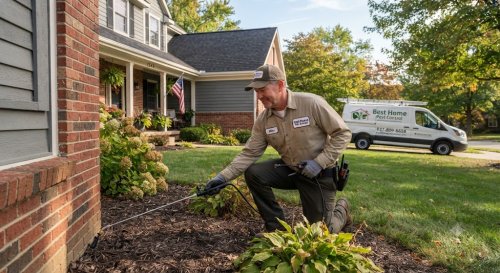
Exterior Perimeter & Entry Point Mapping: Technicians complete a 360-degree inspection of concrete slab edges, stucco weep holes, expansion joints, hose bibs, and patio transitions to locate mud shelter tubes or swarmer wings.
-
Interior Micro-Habitat & Moisture Analysis: Utilizing FLIR thermal imaging cameras, pinless moisture meters, and digital borescopes, technicians identify hidden moisture pockets and hollow framing inside interior drywall voids.
-
Species Identification & Density Staging: Identifying whether the infestation involves native subterranean termites (R. flavipes) or aggressive Formosan termites (C. formosanus) to determine chemical dosing and bait placement density.
-
Custom Integrated Pest Management (IPM) Formulation: Formulating a dual-action eradication strategy combining non-repellent liquid transfer agents (such as fipronil or chlorfenapyr) and chitin synthesis inhibitor baiting stations.
-
Targeted Application, Exclusion & Follow-Up: Executing perimeter soil trenching, sub-slab core drilling where necessary, sealing entry voids, and establishing quarterly or annual inspection schedules.
6. DIY Boundaries vs. Professional Interventions
| Safe DIY Homeowner Tasks | High-Risk / Pro-Only Interventions |
| Replacing rotted exterior wood trim with non-cellulose PVC trim boards. | Sub-slab core drilling and pressure-injecting liquid termiticides beneath concrete slabs. |
| Maintaining a 6-inch clearance between soil and exterior stucco/siding. | Eliminating active Formosan subterranean termite colonies inside structural walls. |
| Placing surface monitoring traps to track garage crawling insects. | Setting up commercial thermal heat remediation equipment for widespread bed bug infestations. |
| Sealing non-structural exterior gaps with silicone or polyurethane caulk. | Injecting non-repellent liquid transfer agents into live wall voids or near plumbing lines. |
4 Triggers to Drop Tools and Call Best Home Pest Control at +1 (937) 809-8658:
-
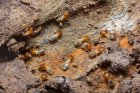
Visible Mud Shelter Tubes & Frass: Discovering earthen mud tubes climbing concrete slab edges, or piles of fecal pellets (frass) under wood trim.
-
Daylight Swarmer Sightings: Spotting dozens of winged swarming termites or discarded wings inside window sills or near light fixtures.
-
Auditory Wall Sounds: Hearing faint clicking, rustling, or hollow sounds when tapping on interior drywall or wood baseboards.
-
Visible Drywall Damage & Rippling: Noticing bubbling, rippled paint, or soft, sagging drywall that resembles historical water damage.
7. Warning Signs: Sensory Diagnostics & Risks of Delay
                       SENSORY DIAGNOSTIC CHECKLIST

      AUDITORY                     VISUAL                      OLFACTORY
  [+] Ticking in wall voids    [+] Mud shelter tubes on slab  [+] Musty, damp soil odor
  [+] Rustling behind drywall  [+] Shed swarmer wings on sills [+] Mildew-like decay scent
  [+] Hollow thumping wood     [+] Rippled or bubbled paint   [+] Rotting timber smell
-
Auditory Clues: Soldier termites bang their heads against gallery walls when alarmed, producing faint clicking or ticking sounds inside wall voids. Tapping infested framing yields a hollow, papery sound.
-
Visual Cues: Earthen mud tubes traversing foundation walls, discarded swarmer wings on window sills, rippled paint, tiny pinholes in drywall, and sagging floorboards or door frames.
-
Olfactory Cues: Pungent, damp, musty soil odors emanating from behind baseboards or plumbing access panels, indicating active subterranean mud galleries and fungal decay.
Structural Risks of Delayed Action
Delaying professional treatment allows subterranean termites—especially Formosan colonies—to consume structural wood framing from the inside out. Because termites preserve the thin outer shell of wood or paper backing on drywall, catastrophic damage to floor joists, wall studs, and roof trusses can occur before visible signs appear on the surface.
8. Cost Breakdown & Pricing Variables
Evaluating the real financial difference between short-term DIY liquid products and long-term professional termite remediation in Orlando involves several factors:
| Service Category | Average Orlando Cost Range | Key Pricing Variables & Coverage Scope |
| Comprehensive Diagnostic Inspection | $100 – $250 (Often credited to treatment) | Structural footprint size, attic/crawlspace access, thermal imaging scope. |
| DIY Termite Spray / Bait Stakes (Over-the-Counter) | $50 – $150 | Shallow surface repellents only; no colony elimination or structural repair warranty. |
| Professional Liquid Termiticide Barrier (Fipronil) | $800 – $2,500 | Linear footage of perimeter, slab core-drilling requirements, non-repellent transfer chemistry. |
| Professional Termite Baiting System (Noviflumuron) | $1,200 – $3,000 | Initial installation, station count, annual monitoring, and colony elimination guarantee. |
| Annual Termite Protection Bond & Repair Warranty | $300 – $500 / year | Annual WDO reinspections, continuous chemical warranty, and covered structural repair coverage. |
Key Cost Drivers:
-
Initial Diagnostic & Scope Mapping: Thermal imaging sweeps and moisture evaluations determine the extent of internal wall void activity.
-
Linear Footage & Concrete Core Drilling: Homes with extensive concrete patios, brick pavers, or attached slab structures require mechanical core drilling and specialized injection equipment.
-
Chemistry Selection: Advanced non-repellent liquid chemistries (e.g., fipronil) and chitin synthesis inhibitor baiting stations carry higher material costs but deliver complete colony elimination.
-
Custom Exclusion & Repairs: Replacing damaged non-structural wood and sealing entry pathways add variable labor charges during initial cleanout visits.
9. Professional Equipment & Diagnostic Arsenal
| Equipment | Practical Application & Purpose |
| FLIR Thermal Imaging Cameras | Detects subtle temperature differences caused by hidden moisture pockets and termite colony clusters inside drywall voids. |
| Digital Inspection Borescopes | Snake-cameras inserted through micro-holes in wall voids to visually inspect framing without damaging finishes. |
| Pinless Moisture Meters | Measures internal wood stud and drywall moisture levels without leaving pin holes. |
| Acoustic Listening Devices | Amplifies structural vibrations and head-banging sounds made by soldier termites inside timber framing. |
| Non-Repellent Transfer Chemistries | Undetectable liquid agents (Fipronil/Chlorfenapyr) that worker termites unknowingly spread throughout the central colony. |
10. Industry Hard Truths & Insider Facts
-
DIY Retail Termite Sprays Make Infestations Worse: Over-the-counter sprays contain repellent pyrethroids that kill only the small percentage of workers on the surface. The surviving colony senses the chemical barrier, splits (budding), and moves deeper into structural wall framing.
-
Ultrasonic Plug-In Repellers Are Scientifically Ineffective: Peer-reviewed entomological studies prove termites are entirely unaffected by ultrasonic sound frequencies, making electronic repellent plugs useless.
-
Chemical Barriers Without Physical Exclusion Fail: Applying soil termiticides without sealing stucco weep holes, cold joints, and plumbing penetrations allows termites to bypass treated zones via unsealed structural gaps.
-
The Florida Homeowner Insurance Trap: Standard homeowner insurance policies in Florida explicitly exclude damage caused by termites, insects, and rodents, treating pest damage as preventable routine home maintenance.
11. Comprehensive FAQ Section
What is the typical timeline from professional treatment to total colony elimination?
With non-repellent transfer chemistries (such as fipronil) or chitin synthesis inhibitor bait stations, worker mortality begins within 48 to 72 hours. Complete colony elimination occurs within 30 to 90 days as the active ingredient spreads to the queen.
Are professional termite treatments safe for children and pets?
Yes. Licensed technicians apply EPA-registered termiticides in targeted subterranean trenches, sub-slab injections, or locked, tamper-resistant monitoring stations located outside and out of reach of children and pets.
How do I visually distinguish winged termites from swarming carpenter ants?
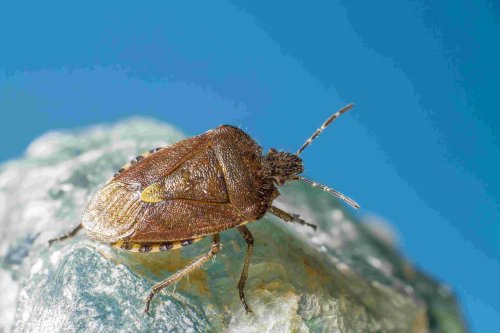
Subterranean termites feature straight antennae, a broad waist with no constriction, and four wings of equal length. Carpenter ants feature elbowed antennae, a pinched waist, and front wings that are longer than their hind wings.
How should I prepare my Orlando home for a professional termite inspection?
Clear access pathways along interior perimeter baseboards, move stored items out from under kitchen and bathroom sinks, and trim back dense vegetation touching exterior foundation walls.
Why do I see increased pest movement immediately following a professional application?
This "flushing out" effect occurs as non-repellent transfer chemistries disrupt internal colony galleries, causing affected termites to scatter out of wall voids before dying.
Why does standard expanding spray foam fail against rodent and insect entry?
Subterranean termites and rodents easily chew through cured polyurethane spray foam. Permanent exclusion requires stainless steel mesh, copper mesh, or steel-infused sealing compounds embedded in sealants.
How frequently should an Orlando home receive professional termite and pest inspections?
Due to Central Florida's warm climate and continuous subterranean termite pressure, homes should receive a professional structural Wood-Destroying Organism (WDO) inspection at least once every 12 months.
What are the primary foundation attractants for subterranean termites on slab homes?
Excess perimeter soil moisture from misdirected sprinkler heads, organic mulch touching stucco weep holes, buried scrap lumber, and direct wood-to-soil contact create primary attraction zones.
Stop Guessing with DIY—Get Proven Termite Protection Today
Contact Best Home Pest Control today at +1 (937) 809-8658 to schedule your comprehensive termite inspection and protect your Orlando, FL home with professional subterranean termite elimination solutions.