Localized Introduction & Architectural Triggers
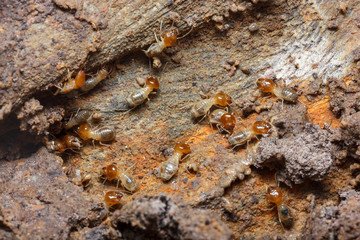
Central Florida's subtropical ecosystem around Pineway Drive in Orlando features high annual rainfall (over 50 inches), persistent relative humidity (75–85%), and a high water table over sandy soils. These conditions create ideal breeding zones for mosquitoes (Aedes albopictus / Aedes aegypti), Asian subterranean termites (Coptotermes gestroi), roof rats (Rattus rattus), and German cockroaches (Blattella germanica).
  [ Rainwater & Irrigation Pooling ]
                 │
                 ▼
  [ Saucers, Bromeliads & Gutter Voids ] ──► Mosquito Larval Breeding
                 │
                 ▼
  [ Stucco Weep Screeds & Expansion Joints ] ──► Subterranean Termites & Roaches
                 │
                 ▼
  [ Tile Roof Fascia & Soffit Gaps ] ──► Roof Rats & Stinging Insects
Local residential architecture relies heavily on concrete slab-on-grade foundations, stucco finishes, barrel-tile roofing, and frame construction. Pests exploit specific structural vulnerabilities during environmental shifts:
-
Stucco Weep Screeds & Slab Expansion Joints: Slab foundations crack as Central Florida's sandy soils settle under heavy hydrostatic pressure. Unsealed stucco weep screeds near ground level offer concealed access points for subterranean termites and foraging roaches.
-
Roofline Soffits & Barrel-Tile Gaps: Overhanging live oaks and palm fronds create direct highways for roof rats and stinging insects to enter barrel-tile roof voids and unsealed attic soffit vents.
-
Property Drainage & Water Pockets: Tropical afternoon downpours flood flat yards and fill outdoor containers, flowerpot saucers, and dense ornamental foliage (like bromeliads). These micro-reservoirs mature mosquito larvae into biting adults in as few as 5 to 7 days.

3. Seasonal Pest Prevention Framework
Fall/Winter Protocols (Dry Season & Cooling Transitions)
-
Exterior Envelope Sealing: Install 1/4-inch copper mesh or stainless steel mesh behind stucco weep screeds, soffit vents, and pipe chases. Apply high-grade polyurethane sealant around A/C line sets.
-
Attic & Soffit Maintenance: Inspect attic insulation for roof rat runways, urine stains, and droppings. Seal soffit gaps with aluminum flashing and hardware cloth.
-
Debris & Firewood Clearance: Elevate stored wood at least 6 inches off the ground and maintain a 20-foot distance from exterior walls to prevent carpenter ant and termite harbourage.
Spring/Summer Protocols (Mosquito Season & Heavy Monsoon Rain)
-
Mosquito Breeding Source Reduction: Empty saucer trays under potted plants twice weekly. Treat non-drainable water features, birdbaths, and rain barrels with Bacillus thuringiensis israelensis (BTI) larvicide rings or granules.
-
Vegetation & Drainage Buffers: Maintain an 18–24 inch pea-gravel or stone buffer between garden beds and exterior walls. Prune foliage to keep branches at least 6 feet away from rooflines.
-
Door Sweeps & Window Screen Integrity: Install heavy-duty neoprene door sweeps on garage and exterior doors. Replace torn 18x16 mesh window screening with 20x20 fine mesh to block tiny biting midges ("no-see-ums") and mosquitoes.
Year-Round Interior Habits
-
Airtight Food Storage: Keep grains, pet food, and dry goods in rigid plastic or glass containers with airtight silicone seals.
-
Relative Humidity Management: Maintain interior relative humidity below 50% using A/C systems or dedicated dehumidifiers in garages and crawlspaces to deter silverfish and cockroach survival.
-
Avoid Repellent Overuse: Avoid synthetic pyrethroid aerosol "foggers" indoors; repellent sprays cause social insect colonies (such as ants and roaches) to fracture ("bud"), spreading the infestation deeper into wall cavities.
4. Emergency Dispatch Matrix
| Emergency Scenario | Primary Structural & Health Risks | Immediate Action Required |
| Active Rodents in Food Prep Zones | Fire hazard from chewed electrical wiring; exposure to Leptospirosis, Hantavirus, and Salmonella. | Isolate the kitchen, seal exposed food in hard containers, cover surfaces, and dial 937-809-8658 for immediate trapping and exclusion. |
| Stinging Insects Inside Wall Voids | Anaphylactic shock risk; drywall collapse from nest weight, structural moisture damage, and honey rot. | Do not plug the exterior exit hole (forces stinging insects into interior rooms). Turn off indoor lights nearby and schedule professional extraction. |
| Interior Wildlife Encounters (Raccoons/Opossums) | Rabies vector hazard, aggressive maternal defense, ectoparasites (fleas/ticks), severe insulation contamination. | Isolate pets and children, seal room doors with bottom towels, do not corner the animal, and call emergency dispatch. |
| Severe Bed Bug Infestation | Allergic dermatitis, secondary skin infections from scratching, severe sleep disruption, rapid cross-room spread. | Contain bedding in sealed plastic bags, do not transfer furniture across rooms, run fabrics through 140°F+ high heat for 30 minutes, and request professional remediation. |
5. Systematic 5-Step Professional Inspection Workflow
[Step 1: Exterior Perimeter Mapping] ──► [Step 2: Interior Micro-Habitat Analysis]
                                                      │
                                                      ▼
[Step 5: Targeted Application & Exclusion] ◄── [Step 4: Custom IPM Plan] ◄── [Step 3: Species Staging]
-
Step 1: Exterior Perimeter & Entry Point Mapping
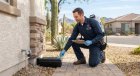
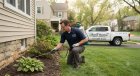
A licensed technician conducts a ground-to-roofline scan, identifying weep screed gaps, roofline bridges, standing water pockets, and utility wall penetrations.
-
Step 2: Interior Micro-Habitat & Moisture Analysis
Using FLIR thermal imaging cameras and pinless moisture meters, technicians locate hidden plumbing leaks, saturated wall framing, and thermal signatures of hidden pest harborage.
-
Step 3: Species Identification & Population Density Staging
Technicians identify exact species (e.g., Aedes albopictus vs. Culex quinque-fasciatus, German vs. Asian cockroach) and grade population severity using fecal specking, cast skins, egg cases (oothecae), or larva counts.
-
Step 4: Custom Integrated Pest Management (IPM) Formulation
A targeted plan is developed, combining physical exclusion, source reduction, biological larvicides (BTI), Insect Growth Regulators (IGRs), and non-repellent transfer chemistries.
-
Step 5: Targeted Application, Exclusion Installation & Follow-Up Monitoring
Technicians install hardware exclusion barriers (copper mesh, neoprene sweeps), apply targeted non-repellent chemistries into harborages, mist foliage resting zones with microencapsulated adulticides, and set monitoring traps to verify population control.
6. DIY Boundaries vs. Professional Interventions
| Safe DIY Homeowner Tasks | High-Risk / Pro-Only Interventions |
| Dumping standing water from saucers, toys, and tires weekly. | Soil trenching and sub-slab chemical injection for subterranean termites. |
| Applying BTI mosquito dunk rings in birdbaths and decorative fountains. | Inspecting and treating high voltage wall voids or breaker boxes for pests. |
| Replacing worn weatherstripping and sealing small gaps with silicone caulk. | Exterminating active hornet or yellowjacket nests inside structural walls. |
| Pruning low-hanging shrubs and elevating firewood away from the slab. | Thermal heat remediation or structural fumigation for bed bugs. |
4 Immediate Professional Call Triggers
-
Daylight Sightings: Spotting nocturnal pests (rodents, German roaches) during daylight hours indicates severe nest overcrowding.
-
Auditory Scratching or Buzzing: Persistent scratching, gnawing, or loud buzzing inside drywall, ceiling voids, or soffits.
-
Mud Tubes or Frass Accumulation: Finding pencil-wide mud tubes along concrete slabs or sand-like pellet mounds (termite frass) near wood trim.
-
Bite Clustered Rashes or Swelling: Experiencing persistent night bites or severe localized reactions to mosquito and stinging insect activity.
7. Warning Signs: Sensory Diagnostics & Risks of Delay
Sensory Indicators
-
Auditory: Nocturnal scampering overhead in attic spaces (roof rats); clicking sounds inside structural timbers made by soldier termites.
-
Visual: Dark, greasy rub marks along wall bases; shed insect wings on window sills; raft-like mosquito egg clusters floating on standing water; pepper-like fecal specks in cabinet corners.
-
Olfactory: Ammonia-like urine stenches near rodent runways; musty, sweet odors indicative of bed bug harborage; stale, oily smells from heavy roach infestations.
Consequences of Delay
[Unchecked Mosquito Breeding] ──► Swarm Proliferation ──► Arbovirus Risk (Dengue, West Nile)
[Termite Feeding Activity]   ──► Damaged Framing Timber ──► Structural Timber Failure
[Rodent Cable Gnawing]       ──► Stripped Wire Insulation ──► Short Circuits & House Fires
8. Cost Breakdown & Pricing Variables
Pest control service investments are determined by specific property variables rather than flat fees:
-
Initial Diagnostic & Inspection Fees: Range from $0 (included with recurring service plans) to $150 for detailed FLIR thermal imaging, moisture analysis, and borescope wall cavity diagnostics.
-
Square Footage & Property Layout: Property size, multi-story roof lines, dense landscape vegetation, and restricted crawlspaces affect labor hours, safety gear, and material quantities.
-
Treatment Methodologies Selected: Targeted biological larvicide and misting applications differ in scope from full subterranean termiticide trenching, sub-slab pressure injection, or thermal remediation.
-
Custom Exclusion Material & Labor: Hand-fitted metal mesh installation, soffit repair, weatherstripping upgrades, and attic insulation restoration are priced based on linear footage and material needs.
-
One-Time Emergency vs. Recurring Quarterly IPM: Single emergency visits carry higher initial setup costs, whereas quarterly IPM maintenance plans lower long-term expenses through continuous preventative care.
9. Professional Equipment & Diagnostic Arsenal
| Diagnostic Tool / Material | Practical Application & Function |
| FLIR Thermal Cameras | Detects hidden wall moisture, plumbing leaks, and heat signatures from rodent nests or large insect colonies behind sheetrock. |
| Digital Borescopes | Inspects internal wall cavities and pipe chases through small 1/4-inch diagnostic access holes. |
| Pinless Moisture Meters | Measures internal wood moisture to pinpoint conditions supporting subterranean termites, wood decay fungi, and mosquito-breeding leaks. |
| Biological Larvicides (BTI) | Naturally occurring soil bacterium that targets mosquito larvae in standing water without harming pets, fish, or beneficial pollinators. |
| Non-Repellent Transfer Agents | Chemistries (e.g., Fipronil, Chlorfenapyr) passed undetected throughout social colonies via contact and grooming. |
10. Industry Hard Truths & Insider Facts
-
Total-Release Foggers ("Bug Bombs") Do Not Work: Over-the-counter foggers release pyrethroid aerosols that settle on top of furniture without reaching cracks or deep wall voids. The repellent fumes scatter pests, driving them deeper into walls and adjacent rooms.
-
Ultrasonic Pest Repellers Are Ineffective: Laboratory testing confirms pests quickly acclimate to ultrasonic sound frequencies. They do not offer long-term repelling power and cannot replace physical exclusion.
-
Chemical Applications Without Physical Exclusion Fail: Applying sprays without closing physical entry points (gaps, weep holes, utility penetrations) provides short-lived relief; new pests enter as soon as chemical barriers degrade.
-
Homeowner Insurance Excludes Pest Damage: Over 95% of standard property insurance policies list insect, termite, and rodent damage as "preventable maintenance," leaving structural repair costs to the homeowner.
11. Comprehensive FAQ Section
How long until I see total pest elimination after treatment?
Targeted baits, Insect Growth Regulators (IGRs), and biological larvicides show initial population declines within 48 to 72 hours. Complete cockroach or ant colony elimination takes 14 to 21 days. Subterranean termite colony elimination using non-repellent transfer agents takes between 30 and 90 days.
Are targeted IPM mosquito and pest treatments safe for pets and children?
Yes. Modern IPM places treatments where pets and children cannot reach them—such as wall voids, tamper-resistant bait stations, and micro-crevices. Mosquito larvicides like BTI target mosquito larvae specifically without affecting pets, fish, or wildlife. Treated surfaces are safe once liquid applications dry completely (1 to 2 hours).
How do I visually tell the difference between winged termites and swarming ants?
Examine the body shape, antennae, and wing structure:
TERMITE:       [Head]=== [Thorax]=== [Abdomen]  (Straight, Uniform Waist)
               Antennae: Straight, beaded
               Wings: 4 wings of equal length and translucent color

CARPENTER ANT: [Head]---(Narrow)---[Abdomen]   (Constricted, Pinched Waist)
               Antennae: Elbowed / Bent
               Wings: 4 wings, forewings noticeably longer than hindwings
How should I prepare my home for a mosquito and general pest treatment?
Clear yard debris, dump standing water from toys and saucers, mow grass, and trim foliage touching exterior walls. Pick up pet toys, cover outdoor fish ponds, keep windows closed during foliage misting, and ensure perimeter walls remain clear for technician access.
Why do I notice more insect activity right after treatment?
This is the post-treatment "flushing out" effect. Non-repellent actives and desiccating dusts disrupt hidden pests, driving them out of dark harborages in search of moisture before they die.
Why does expanding spray foam fail to stop rodents?
Standard polyurethane expanding foam cures into a soft foam that rats and mice easily chew through. Effective rodent exclusion requires pairing expanding sealants with copper mesh, stainless steel wool, or heavy hardware cloth embedded in the matrix.
How often should Central Florida properties undergo professional pest inspections?
Due to Orlando’s year-round warm weather and high humidity, comprehensive wood-destroying organism (WDO) and termite inspections should occur annually. Perimeter preventative IPM and mosquito treatments are best performed on a quarterly or monthly basis during peak rain seasons.
What are the main foundation attractants for subterranean termites?
Key attractants include soil line overlapping stucco weep screeds, leaking irrigation heads or hose bibs soaking foundation walls, wooden mulch directly touching siding, broken downspout extensions, and cellulose construction debris buried near the slab.
Prepare Your Property for Mosquito Season Today
Stop pests before swarms take over your yard. Contact Best Home Pest Control at 937-809-8658 to schedule your comprehensive inspection and customized IPM protection plan on Pineway Drive in Orlando today.