Localized Introduction & Architectural Triggers
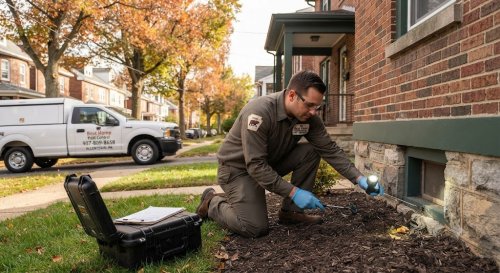
Central Florida’s year-round humidity, 50+ inches of annual rainfall, and USDA Hardiness Zone 10 climate create continuous breeding pressure for subterranean termites, ghost ants, Palmetto bugs (American cockroaches), and roof rats. Homes along Pineway Dr and surrounding Orlando neighborhoods rely primarily on monolithic concrete slab foundations with stucco exterior finishes (EIFS), shallow aluminum soffits, and attached screen enclosures.
            ORLANDO ECO-IPM ENTRY POINTS & ARCHITECTURAL VULNERABILITIES
 ┌──────────────────────────────────────────────────────────────────────────┐
 │ [Roofline & Soffits]     ──────> Roof Rat / Bat Entry Voids              │
 │ [Stucco-to-Grade Edge]  ──────> Ghost Ant & Subterranean Mud Highways   │
 │ [Slab Penetrations]      ──────> Utility Pipe Gaps / Termite Access      │
 │ [Irrigation Saturation]  ──────> High-Moisture Zone Attracting Roaches  │
 └──────────────────────────────────────────────────────────────────────────┘
Homeowners seeking natural, eco-friendly pest control often wonder what truly works against aggressive Orlando pest populations:
-
Stucco-to-Grade Bridging: When stucco finishes meet soil or mulch lines, subterranean termites travel behind the exterior coating into interior wall framing. Spraying botanical oils or essential oils topically fails because termites travel unexposed behind stucco layers.
-
Slab Plumbing Penetrations: High ground moisture causes subterranean termites and ghost ants to migrate upward through slab expansion joints and utility gaps under bath traps and kitchen islands.
-
HVAC Condensate Runoff: Constant water discharge along concrete slabs creates localized high-humidity zones that fuel roach and termite nests. Physical moisture management outperforms botanical contact sprays.
True eco-friendly pest control relies on Integrated Pest Management (IPM): leveraging biological timing, physical mechanical exclusion, habitat modification, and targeted reduced-risk compounds (such as active borate minerals, amorphous silica dust, and chitin synthesis inhibitors) rather than broad-spectrum synthetic spray regimes.

3. Seasonal Pest Prevention Framework
Fall/Winter Protocols (October – February)
-
Exterior Envelope Sealing: Install 0.5mm stainless steel mesh or copper mesh inside stucco weep holes to block roof rats while maintaining necessary wall ventilation.
-
Attic & Soffit Sealing: Inspect blown-in insulation for rodent trails. Secure attic gable vents and loose soffit panels with 1/4-inch galvanized hardware cloth.
-
Wood & Organic Debris Management: Store firewood at least 20 feet away from exterior walls and elevated 18 inches off sandy soil to eliminate harborage for Asian subterranean termites and carpenter ants.
Spring/Summer Protocols (March – September)
-
Vegetation Clearances: Maintain an 18- to 24-inch clearance between landscape foliage, citrus trees, and exterior walls. Trim tree branches back 3 feet from rooflines to eliminate travel routes for roof rats.
-
Drainage & Downspout Optimization: Extend downspout splash blocks 3 to 4 feet away from concrete slabs to prevent saturated soil conditions around foundations.
-
Door Sweeps & Window Screens: Install heavy-duty neoprene door sweeps on exterior entry doors and ensure window screens fit tightly within aluminum frames without gaps.
Year-Round Interior Habits
-
Airtight Food Storage: Store pet food, grains, and kitchen pantry items in heavy-gauge BPA-free plastic or glass containers with airtight rubber seals.
-
Indoor Humidity Control: Maintain relative humidity below 50% using central air conditioning or dedicated dehumidifiers to deter silverfish and dampwood pests.
-
Avoid Repellent Aerosol & Essential Oil Misuse: Discontinue indoor misting of repellent aerosols or essential oils; repelling social insects like ghost ants causes colony "budding," scattering sub-colonies deeper into wall voids.
4. Emergency Dispatch Matrix
| Emergency Scenario | Primary Structural & Health Risks | Immediate Action Required |
| Active Rodents in Living/Prep Zones | Chewed 120V wiring (fire hazard); surface contamination with Salmonella, Leptospira, and hantavirus. | Isolate food supplies, block room penetrations with copper mesh, and book immediate rodent trapping and exclusion. |
| Stinging Insect Nest Inside Wall Voids | Severe anaphylaxis risk to allergic occupants; drywall degradation from moisture and decaying larvae/honey. | Do not seal the exterior exit hole (forces stinging insects into interior living spaces). Call for targeted extraction immediately. |
| Interior Wildlife Encounter (Raccoons/Opossums) | High risk of bites, scratches, rabies exposure, and parasite transmission (Baylisascaris roundworms). | Isolate the room, keep pets and children away, close interior doors, and contact licensed wildlife removal. |
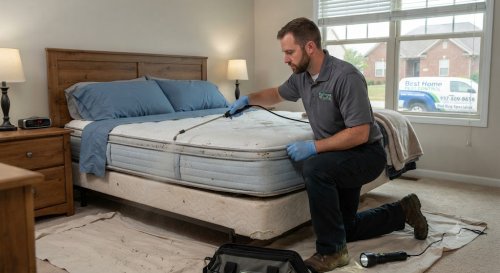
| Severe Bed Bug Infestation | Allergic dermatitis, secondary skin infections from scratching, and chronic sleep deprivation. | Vacuum mattress seams, encase mattresses/box springs in bite-proof covers, wash bedding at 140°F (60°C), and begin professional IPM treatments. |
5. Systematic 5-Step Professional Inspection Workflow
[1. Perimeter Mapping] ──> [2. Moisture Analysis] ──> [3. Species Staging] ──> [4. Green IPM Strategy] ──> [5. Targeted Exclusion]
-
Exterior Perimeter & Entry Point Mapping:
Technicians map exterior utility penetrations, stucco weep gaps, tree canopies, and irrigation runoff zones around the property's envelope.
-
Interior Micro-Habitat & Moisture Analysis:
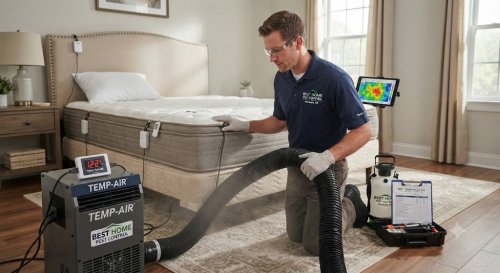
Using FLIR thermal imaging cameras and pinless moisture meters, technicians locate hidden damp spots behind drywall and underneath plumbing chases.
-
Species Identification & Population Density Staging:
Identifying exact pest species determines biological timing—ensuring choices like borates, diatomaceous earth, or growth regulators match the insect's biology.
-
Custom Integrated Pest Management (IPM) Formulation:
A low-impact strategy is designed, prioritizing mechanical exclusion, environmental controls, non-repellent transfer chemistry, and EPA Reduced Risk products.
-
Targeted Application, Exclusion Installation & Follow-Up Monitoring:
Technicians install copper mesh barriers, seal entryways with silicone/polyurethane sealants, deploy lockable digital monitors, and schedule audit visits.
6. DIY Boundaries vs. Professional Interventions
| Safe DIY Homeowner Tasks | High-Risk / Pro-Only Interventions |
| Applying amorphous silica dust inside dry electrical faceplates | Soil trenching and subterranean termiticide liquid barriers |
| Daily kitchen sanitation and food storage protocols | Thermal heat remediation or wall void treatments for bed bugs |
| Replacing window screens and exterior door sweeps | Structural fumigation or attic space aerosol fogging |
| Placing non-toxic sticky monitors inside utility closets | Removing active yellowjacket or hornet nests inside wall cavities |
| Setting mechanical snap traps inside lockable boxes | Complete roofline rodent exclusion and attic restoration |
4 Trigger Conditions to Call an Exterminator Immediately:
-
Daylight Sightings of Nocturnal Pests: Seeing German cockroaches or roof rats during daytime indicates high population density and nest overcrowding.
-
Auditory Wall Activity: Persistent scratching, rustling, or buzzing sounds inside drywall, ceilings, or floor joists.
-
Visible Structural Damage: Subterranean termite mud tubes on concrete slabs, frass piles under timber, or chewed electrical insulation.
-
Health or Allergic Threats: Unexplained insect bite marks or sudden asthma flare-ups linked to airborne pest droppings and cast skins.
7. Warning Signs: Sensory Diagnostics & Risks of Delay
Sensory Indicators
-
Auditory Diagnostics: Ticking inside structural wall studs (subterranean termite head-banging), scratching above drywall ceilings (roof rats), or faint rustling behind kitchen cabinets (ants/roaches).
-
Visual Indicators: Fecal smudges along baseboards (rodent rub marks), discarded transparent wings on window sills (termite swarmer wings), or pepper-like specks on cabinet hinges (cockroach droppings).
-
Olfactory Diagnostics: Musty, pungent ammonia odors near utility areas (rodent urine accumulation); sweet, sickly-musty scents near furniture voids (advanced bed bug presence).
Cascading Consequences of Delay
[Unchecked Infestation] ──> [Structural / Electrical Damage] ──> [Fire Hazard / Joist Degradation]
                        └─> [Airborne Pathogens / Dander]    ──> [Chronic Pediatric Asthma]
-
Electrical Fire Hazards: Rodents chew continuously to wear down their incisors, stripping protective rubber insulation off live electrical wires.
-
Structural Timber Failure: Subterranean termites hollow out load-bearing wall studs and roof trusses, causing drywall sagging and structural frame compromise.
-
Airborne Pathogen Burden: Pest droppings and shed skins break down into fine particles, circulating through HVAC systems and triggering chronic allergies and asthma.
8. Cost Breakdown & Pricing Variables
Professional eco-friendly and natural IPM pricing in Orlando varies based on structure size, entry point complexity, and chosen treatment methods:
┌─────────────────────────────────────────────────────────────────────────┐
│                        ORLANDO PRICING SPECTRUM                         │
├─────────────────────────────────────┬───────────────────────────────────┤
│ Diagnostic Inspection Fee           │ $0 – $150 (Credited on service)   │
│ General Initial Eco-IPM Treatment   │ $175 – $350                       │
│ Recurring Eco-Maintenance (Quarterly)│ $90 – $150 per visit              │
│ Subterranean Termite Borate/Barrier │ $800 – $2,500 (Linear foot basis) │
│ Full Structural Exclusion & Sealing │ $500 – $1,800                     │
│ Bed Bug Thermal / Reduced-Risk Plan │ $1,200 – $3,500                   │
└─────────────────────────────────────┴───────────────────────────────────┘
Key Pricing Drivers:
-
Accessibility & Square Footage: Large properties or homes with tight crawlspaces require greater labor time and custom exclusion materials.
-
Treatment Type: Specialized eco-friendly materials like botanical active formulations, inorganic borates, or thermal heat remediation gear carry distinct equipment and material costs.
-
Custom Exclusion Scope: Installing custom metal flashing, sealants, and roofline mesh increases upfront labor costs while delivering permanent physical protection.
-
Service Agreement Frequency: Recurring quarterly plans reduce overall per-visit costs compared to single-event emergency service calls.
9. Professional Equipment & Diagnostic Arsenal
| Tool / Equipment | Practical Application | Eco & Safety Advantage |
| FLIR Thermal Cameras | Detects thermal anomalies caused by hidden moisture leaks and insect clusters behind drywall. | Non-destructive diagnostic tool; eliminates unnecessary wall cuts or chemical applications. |
| Pinless Moisture Meters | Quantifies sub-surface moisture levels in timber and drywall. | Pinpoints exact micro-habitats, ensuring treatments target root causes. |
| Digital Borescopes | Snake-mounted micro-cameras inserted through 1/4-inch probe holes into wall voids. | Inspects void spaces visually without opening wall surfaces into living areas. |
| Inorganic Borate Treatments | Naturally derived mineral salts applied directly to raw structural framing timbers. | Provides long-term protection against wood-destroying organisms with zero off-gassing. |
| Desiccant Dusts (Silica Gel) | Applied inside wall voids to disrupt the waxy cuticle layer of insects, causing dehydration. | Physical mode of action; pests cannot develop chemical resistance to desiccant action. |
10. Industry Hard Truths & Insider Facts
-
The Botanical Repellent Trap: Essential oil sprays (like peppermint or clove oil) act strictly as contact repellents. They kill a few surface insects on contact but cause social colonies (such as ghost ants or roaches) to "bud," splitting into multiple sub-colonies behind walls.
-
Ultrasonic Plug-In Failure: Scientific studies confirm that ultrasonic acoustic repellers do not deter insects or rodents. Pests quickly habituate to static acoustic frequencies.
-
Chemicals Without Physical Exclusion Always Fail: Relying on sprays—botanical or synthetic—without physically sealing weep holes, utility chases, and door gaps guarantees pest re-entry.
-
The Homeowners Insurance Trap: Over 95% of Florida homeowners insurance policies explicitly exclude damage caused by termites, insects, or rodents, categorizing it as "preventable maintenance."
11. Comprehensive FAQ Section
What does "natural" or "eco-friendly" pest control actually mean in practice?
In modern professional pest management, eco-friendly pest control refers to Integrated Pest Management (IPM). Rather than relying on broad-spectrum synthetic chemical sprays, eco-IPM prioritizes physical mechanical exclusion (sealing entry holes), habitat modification (moisture reduction), mineral-based treatments (borates, silica dust), and targeted non-repellent transfer agents applied exclusively into voids and crevices.
Are natural or eco-friendly pest control methods as effective as traditional chemical sprays?
Yes—and over the long term, they are often more effective. Traditional chemical sprays frequently fail because insects build resistance or simply avoid treated surfaces. Eco-IPM eliminates root causes by sealing entry points, fixing moisture sources, and applying physical-action products (like silica desiccant dusts or borate timber treatments) that insects cannot develop resistance against.
How quickly do natural or IPM treatments eliminate an active infestation?
Initial drops in pest activity occur within 24 to 48 hours. However, complete colony elimination using eco-friendly transfer chemistries, insect growth regulators, or borate baits typically takes 7 to 14 days for ant colonies and 30 to 90 days for subterranean termite colonies, ensuring the queen and central nest are fully reached.
Are eco-friendly pest treatments safe for toddlers and pets?
Yes. Professional eco-friendly applications focus on structural wall voids, micro-cracks, and tamper-resistant bait stations out of reach of children and pets. Mineral treatments like borates or amorphous silica dust stay sealed inside wall cavities. When localized perimeter treatments are necessary, keeping family members and pets off treated areas until dry (2 to 4 hours) ensures complete safety.
How can I visually distinguish a subterranean termite swarmer from a carpenter ant?
Check three distinct physical traits:
  TERMITE SWARMER                 CARPENTER ANT
  - Straight, beaded antennae     - Elbowed/bent antennae
  - Broad, uniform waist          - Constricted "wasp-like" waist
  - Equal length wing pairs       - Front wings longer than hind wings
Why do I notice more pest activity immediately following an initial IPM service?
This is known as the "flushing effect." Formulated mineral baits, desiccant dusts, and non-repellent active ingredients irritate hidden harborage spaces and disrupt normal pest behavior. Seeing pests emerge into open view during the first 3 to 7 days confirms that hidden nests are being successfully disrupted.
Why does standard expanding spray foam fail to stop rodents?
Standard polyurethane expanding foam cures into a soft, air-filled cell structure. Rodents can chew through standard spray foam in seconds using their sharp incisors. Effective eco-friendly exclusion relies on high-density materials like stainless steel wire mesh, copper mesh, or fiber-infused sealants that physically irritate rodent mouthparts.
How often should a home in Orlando receive professional pest inspections?
Due to Central Florida's warm climate and lack of a winter freeze, structural pest and termite inspections should occur at least once per year. Exterior perimeter maintenance barriers and exclusion audits are best maintained on a quarterly schedule.
Need Effective, Eco-Friendly Pest Management?
Protect your family and property with proven Integrated Pest Management tailored to your home on Pineway Dr and surrounding Orlando neighborhoods. Contact Best Home Pest Control today:
-
Direct Line: 937-809-8658
-
Service Area: Pineway Dr, Orlando, FL & Surrounding Communities