Subterranean vs. Drywood Termites - Threatens in Los Angeles, CA
Discover the key differences between subterranean and drywood termites in Los Angeles, CA. Call 937-809-8658

Termite Inspection & Protection Plans in Los Angeles
Complete coverage, upfront pricing, and rapid local dispatch for residential and commercial properties throughout the Los Angeles metropolitan area. Property owners in Southern California face a constant battle against wood-destroying pests, making it essential to understand the unique behavior, risks, and threats posed by the region's two most common adversaries: subterranean and drywood termites.
Understanding Termite Pressures in Los Angeles, CA
Los Angeles features a diverse climate, ranging from humid coastal microclimates to dry inland valleys, creating an exceptionally hospitable environment for wood-destroying insects. Architectural styles across LA—from classic Spanish-style homes with exposed timber beams to modern multi-story residential builds and sprawling commercial complexes—frequently incorporate wood framing, siding, and structural components that attract foraging colonies.
Unlike many parts of the country that experience freezing winter conditions that suppress pest activity, Los Angeles enjoys a mild climate year-round. This continuous warmth allows termite colonies to feed, reproduce, and expand uninterrupted. While both subterranean and drywood termites call Southern California home, their biology, nesting habits, and destruction patterns are radically different. Recognizing these differences is the first step toward effective property protection.
Subterranean Termites: Habits, Signatures, and Threat Level
Subterranean termites (predominantly the Western subterranean termite in the Los Angeles area) are widely considered the most destructive wood-destroying organisms in the United States.
Nesting and Behavior
-
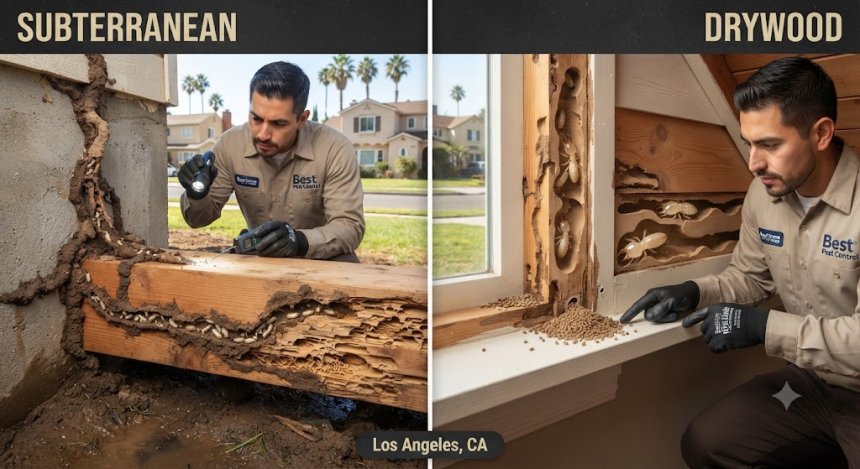
Soil Dependency: Subterranean termites build massive colonies underground or within moist structural locations. They require constant access to ground moisture to survive and prevent dehydration.
-
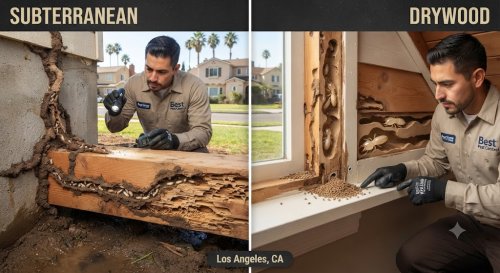
Shelter Tubes: To reach above-ground wood framing without exposing themselves to dry air, these termites construct distinctive mud tubes (shelter tubes) along concrete foundations, brickwork, and crawlspace piers.
-
Feeding Patterns: They consume wood from the inside out, following the grain and aggressively eating soft springwood while leaving harder annual growth rings or a thin outer veneer intact.
Colony Size and Damage
A single mature subterranean colony can house hundreds of thousands—or even millions—of workers. Because multiple foraging paths can attack a structure simultaneously, they can compromise structural load-bearing timbers, floor joists, and subfloors rapidly if left unchecked.
Drywood Termites: Habits, Signatures, and Threat Level
Drywood termites operate entirely independent of the soil, presenting a completely different kind of challenge for Los Angeles homeowners.
Nesting and Behavior
-
No Soil Contact Required: Drywood termites do not need moisture from the ground. They fly directly onto structures during seasonal swarming events and burrow straight into dry, sound wood.
-
Hidden Galleries: They carve smooth, clean chambers and galleries across the natural grain of the timber.
-
Frass Production: Unlike subterranean species that use their waste to build mud tubes, drywood termites push hard, oval-shaped fecal pellets (known as frass) out of tiny kick-out holes. Finding small piles resembling sand or coffee grounds is often the first visual warning sign.
Colony Size and Damage
Drywood termite colonies grow much slower than subterranean colonies and typically remain localized to specific structural members, roof trusses, window frames, or attic spaces. However, a property can harbor multiple independent drywood colonies simultaneously, leading to widespread cumulative damage over time.
Why Choose Best Home Pest Control
-
EPA-Registered & Eco-Friendly Treatments: Safe, targeted solutions designed to protect your family and pets while completely eliminating active colonies.
-
24/7 Rapid Response: Immediate dispatch for urgent real estate transactions, pre-purchase WDI/WDO reports, and emergency swarming sightings.
-
Certified Local Inspectors: Deep familiarity with Southern California construction styles, local building codes, and regional termite activity patterns.
-
Guaranteed Results: Permanent termite exclusion and preventive barrier treatments backed by industry-leading service warranties.
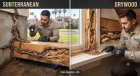
Head-to-Head Comparison: Subterranean vs. Drywood Termites
| Feature | Subterranean Termites | Drywood Termites |
| Primary Habitat | Underground soil and damp sub-areas | Directly inside dry structural wood |
| Moisture Need | High; requires constant contact with soil/moisture | Low; survives on metabolic moisture in dry wood |
| Mud Tubes | Yes; builds earthen shelter tubes on foundations | No; never builds mud tubes |
| Waste Signature | Uses waste to build tubes; no loose pellets | Pushes out distinct dry fecal pellets (frass) |
| Feeding Style | Eats along the grain, leaving hollow shells | Eats across grain, creating clean, smooth galleries |
| Colony Growth | Rapid, massive populations (millions) | Slower growth, more localized spread |
What to Expect During Your Los Angeles Termite Inspection
-
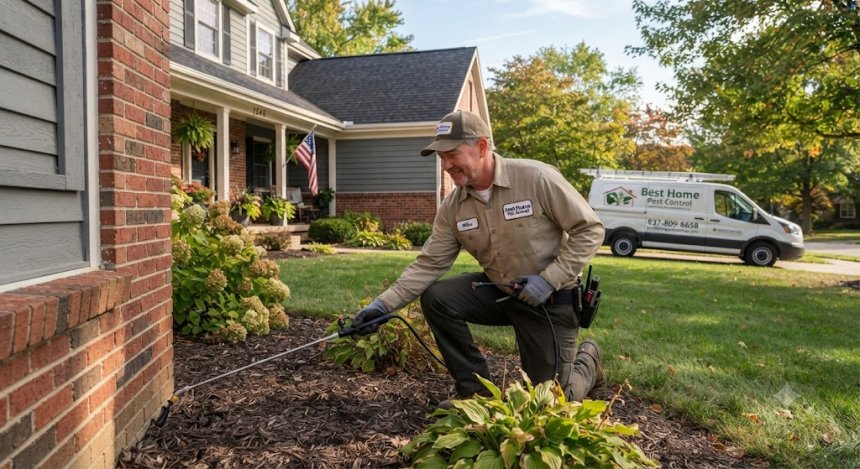
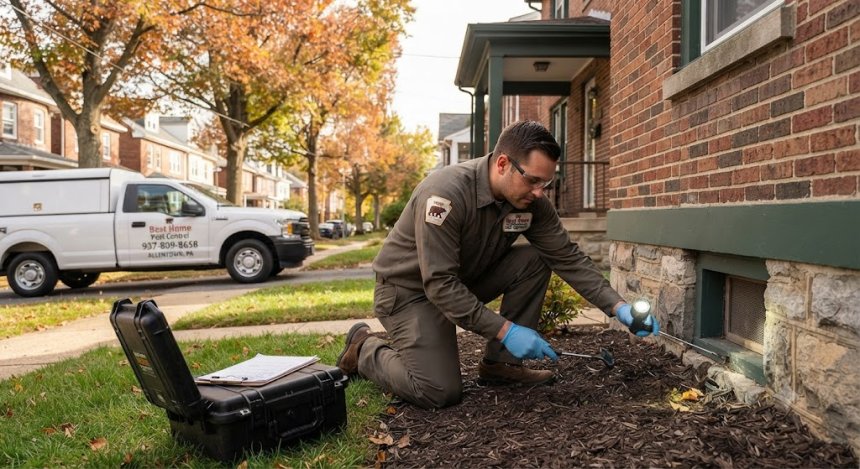
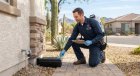
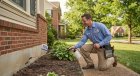
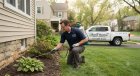
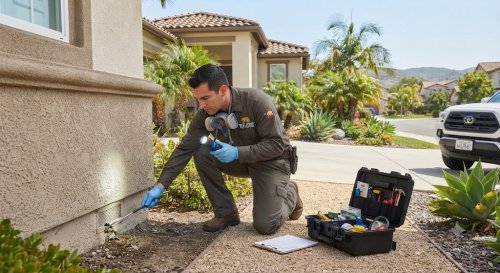
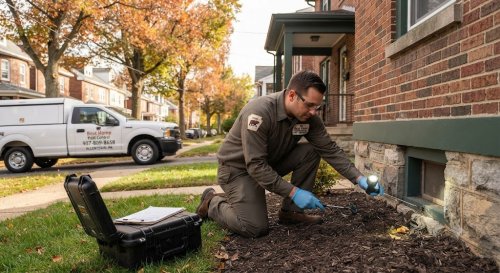
Initial Property Walkthrough: Our licensed technician examines the exterior perimeter, grading, foundation lines, and any wood-to-soil contacts around your Los Angeles property.
-
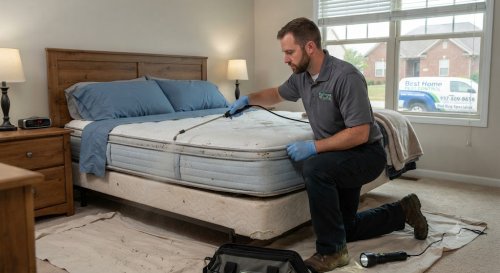
Interior & Attic Assessment: Careful evaluation of accessible living areas, baseboards, window frames, and upper attic spaces where drywood swarmers frequently land.
-
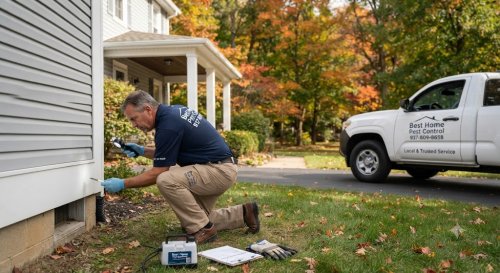
Sub-Area & Crawlspace Check: Detailed inspection of substructures, floor joists, and sill plates using moisture meters and sounding tools to locate hidden subterranean activity.
-
Targeted Evidence Scan: Searching for mud tubes, discarded swarmer wings, kick-out holes, and frass piles.
-
Findings & Custom Treatment Plan: A clear breakdown of inspection findings, species identification, and a transparent cost estimate for targeted or whole-structure treatment.
Helpful FAQs
-
Which termite species is more destructive in Los Angeles?
Subterranean termites are generally considered more destructive due to their massive colony sizes and rapid consumption rates.
-
Do drywood termites need soil contact to survive?
No. Drywood termites live entirely inside dry wood and require zero contact with the ground.
-
How do subterranean termites enter LA homes?
They build mud tubes up concrete foundations or exploit direct wood-to-soil contacts in landscaping and crawlspaces.
-
What are the distinct droppings left by drywood termites called?
They are called frass—small, hard, elongated fecal pellets that resemble sand or sawdust.
-
Can a Los Angeles home have both types of termites at the same time?
Yes. Because LA's climate supports both species, properties can experience simultaneous infestations.
-
When is termite swarming season in Los Angeles?
Western subterranean termites typically swarm during daytime hours in spring, while drywood termites often swarm on warm late-summer or autumn evenings.
-
Are termite inspections mandatory during real estate transactions in California?
Yes. Most lenders require a certified Wood-Destroying Pest and Organisms (WDO) report prior to closing.
-
What tools do professional inspectors use to find hidden termites?
Inspectors use high-intensity lights, sounding rods, moisture meters, and sometimes thermal imaging to detect hidden galleries.
-
Do subterranean termites leave mud tubes on interior walls?
They can build mud tubes over interior masonry, brick, or drywall if moisture and humidity conditions support it.
-
How can I tell if wood damage is caused by termites or dry rot?
Termites leave behind internal galleries, mud tubes, or frass, whereas dry rot crumbles wood into distinct cube-like checkerboard patterns without insect evidence.
-
Are eco-friendly treatments effective against drywood termites?
Yes. Modern localized treatments, controlled heat treatments, and non-toxic botanical applications successfully eliminate localized drywood colonies.
-
How often should Los Angeles property owners schedule inspections?
Due to high regional pest pressure, scheduling a professional termite inspection at least once every 12 months is strongly recommended.
-
Do security lights attract swarmers to my home?
Certain species, like Formosan or dampwood swarmers, are strongly attracted to outdoor nighttime lighting.
-
What is the difference in treatment for subterranean vs. drywood termites?
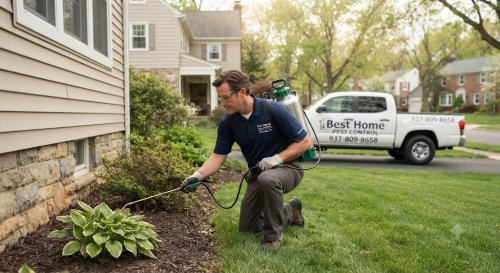
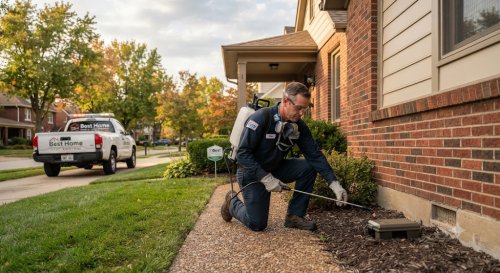
Subterranean termites require soil termiticides or bait stations, while drywood termites often require localized spot treatments, wood injections, or whole-structure fumigation.
-
Can I treat a termite infestation myself with store-bought sprays?
Store-bought sprays only kill surface insects and fail to reach the queen or hidden core colonies, allowing the infestation to continue growing.
-
Why is southern California a hotspot for termites?
Mild year-round temperatures, abundant urban wood framing, and varied moisture microclimates provide ideal living conditions.
-
What does termite-damaged wood sound like when tapped?
It often produces a hollow or papery sound because the interior wood has been completely eaten away.
-
Do mulch beds close to the house attract subterranean termites?
Yes. Wood mulch retains soil moisture and provides cellulose food sources near the foundation line, creating an inviting bridge for subterranean foragers.
-
How long does a professional termite inspection take?
A standard residential inspection in Los Angeles typically takes between 45 to 90 minutes depending on property size and accessibility.
-
Who should I call for rapid termite inspection and removal in LA?
Call Best Home Pest Control at (937) 809-8658 for 24/7 rapid response and guaranteed elimination.