Yellow Jacket Removal & Stinging Insect Control
Professional Yellow Jacket Extermination & Nest Removal
When aggressive stinging insects take over your yard, patio, or home exterior, outdoor activities become dangerous and stressful. Yellow jackets are among the most aggressive and defensive social wasps found in North America. Unlike honeybees, a single yellow jacket can sting multiple times, and when their colony is disturbed, they release alarm pheromones that incite a synchronized, swarming attack. Best Home Pest Control delivers safe, rapid, and permanent yellow jacket removal services designed to eradicate underground nests, wall-void colonies, and aerial hives while protecting your family, pets, and visitors from painful stings.
Understanding the Biology and Behavior of Yellow Jackets
Yellow jackets belong to the genus Vespula and Dolichovespula, easily recognized by their bright alternating black and yellow abdominal stripes, slender waists, and rapid, darting flight patterns. Understanding how these social pests operate is essential for safe and effective eradication:
-
Colony Life Cycle and Expansion: Yellow jacket colonies start each spring from a single fertilized queen that emerges from hibernation to build an initial paper comb nest. As summer progresses, the worker population explodes, expanding the nest from the size of a golf ball to a massive paper structure housing thousands of aggressive defenders by late summer and autumn.
-
Hidden Nesting Sites: While honeybees and paper wasps build visible aerial combs, yellow jackets prefer dark, enclosed cavities. They frequently build subterranean nests inside abandoned rodent burrows beneath lawns, under concrete slabs, inside retaining walls, and deep within hollow structural wall voids, attic spaces, and dense landscaping.
-
Aggressive Foraging Habits: During late summer, natural protein sources dwindle, causing yellow jackets to become aggressive scavengers around human food sources, garbage cans, sweet drinks, and outdoor dining areas. Their unpredictable temperament makes approaching an active nest without professional protective gear extremely hazardous.
The Severe Health Risks Associated with Yellow Jacket Infestations
Encountering an active yellow jacket nest poses serious medical and safety hazards for everyone on your property:
-
Painful Multiple Stings: Yellow jackets possess smooth stingers that do not detach during a sting, allowing a single insect to inflict repeated painful punctures. When a colony is threatened, dozens or hundreds of workers attack simultaneously.
-
Dangerous Allergic Reactions: For individuals with insect allergies, yellow jacket venom can trigger severe systemic anaphylaxis, a life-threatening medical emergency characterized by throat swelling, difficulty breathing, dizziness, and rapid heart rate requiring immediate intervention.
-
Pet Vulnerabilities: Curious dogs and cats frequently disturb low-slung underground nests while playing in the yard, resulting in multiple painful stings around the muzzle, eyes, and paws that often require veterinary care.
-
Structural Compromise: When yellow jackets establish colonies inside exterior wall voids or attic insulation, their continuous chewing and nest expansion can damage building materials and create hazardous entry points into living areas.
Why Choose Best Home Pest Control for Yellow Jacket Removal?
-
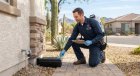
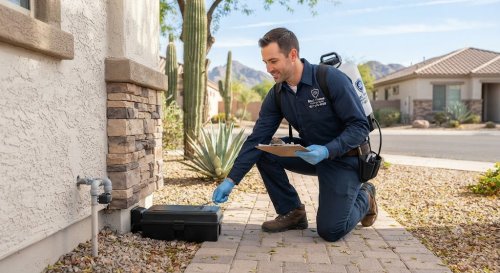
Specialized Protective Gear & Equipment: Our certified technicians utilize professional-grade bee suits, full-face veils, and specialized high-pressure aerosol dusters or liquid injection equipment to safely reach hidden subterranean and structural nests.
-
Targeted Elimination Protocols: We don't just spray flying foragers; we target the core nest structure to eliminate the queen, developing larvae, and active workers at the source.
-
EPA-Registered & Fast-Acting Treatments: We employ advanced residual insecticide dusts and specialized micro-encapsulated liquid treatments that neutralize colonies instantly upon contact.
-
24/7 Rapid Response Dispatch: Stinging insect emergencies require immediate action. Our team is on standby around the clock to handle dangerous swarms and aggressive nests immediately.
Our Step-by-Step Yellow Jacket Removal Process
-
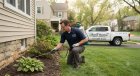
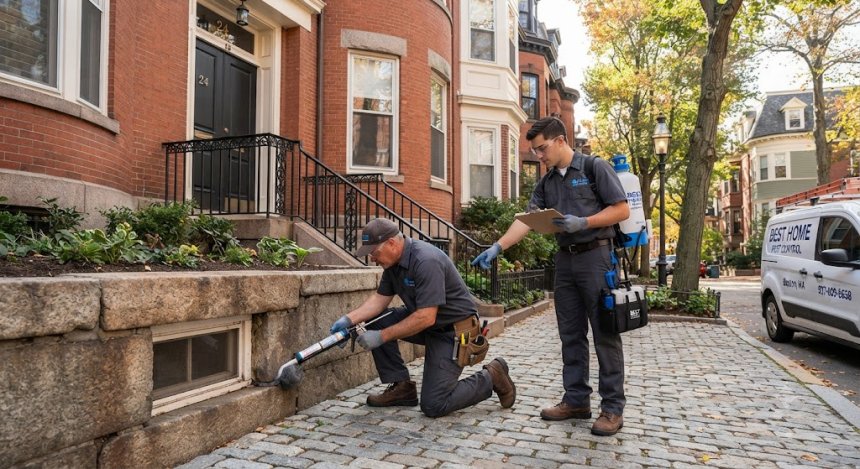
Comprehensive Property Inspection: Our licensed specialist surveys your yard, foundation, roofline, and landscaping to pinpoint the exact nest location, entry holes, and flight paths.
-
Species Identification & Risk Assessment: We determine whether you are dealing with ground-nesting yellow jackets, paper wasps, bald-faced hornets, or European hornets to formulate the precise treatment strategy.
-
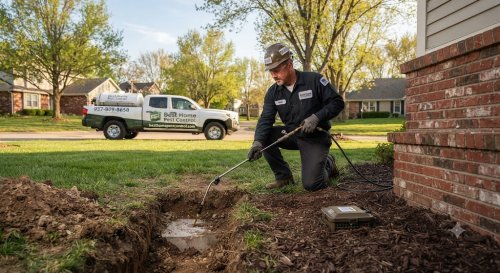
Targeted Nest Treatment Application: Using specialized extension wands and injection tools, we apply professional-grade treatment directly into the nest entrance, sealing off escape routes and neutralizing the colony rapidly.
-
Nest Extraction & Sealing: Where accessible (such as in hollow wall voids or surface structures), we safely remove the dead nest material and seal all entry points to prevent secondary pest invasions.
-
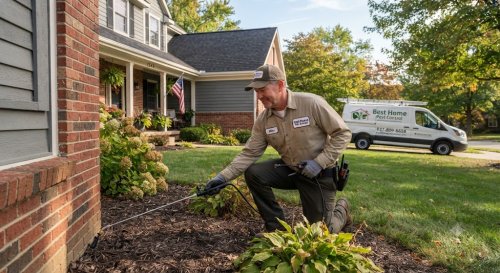
Preventive Barrier Protection: We treat surrounding perimeter zones to deter future queens from selecting your property for nesting next season.
Frequently Asked Questions About Yellow Jacket Removal
-
How can I tell the difference between honeybees, paper wasps, and yellow jackets? Honeybees are fuzzy and collect pollen; paper wasps have slender bodies and hang open umbrella-shaped nests from eaves; yellow jackets are sleek, brightly striped, fast-moving, and typically nest underground or inside enclosed wall voids.
-
Why shouldn't I spray an underground yellow jacket nest with a garden hose? Spraying water into a nest floods the entrance, angers the entire colony, and forces hundreds of defensive yellow jackets to swarm out and attack anyone nearby without drowning the deep underground structure.
-
Are store-bought aerosol wasp sprays effective against large nests? Store-bought sprays only kill surface workers near the entrance. They fail to reach the deep interior of underground or wall-void nests, often leaving the queen alive and causing surviving workers to become highly aggressive.
-
What time of day is safest for yellow jacket removal? Professional technicians often treat nests early in the morning or late at night when cooler temperatures cause nearly all foraging workers to return inside the nest, ensuring maximum colony eradication.
-
Do yellow jackets survive the winter? Worker yellow jackets and old colonies die off with the first hard frost. However, newly mated young queens survive the winter by hibernating in protected spots and emerge in spring to start entirely new colonies on your property.
-
Can yellow jacket stings cause long-term health problems? Aside from immediate localized pain, swelling, and itching, repeated stings over time can occasionally lead to the development of a hypersensitive venom allergy in previously unaffected individuals.
-
Will homeowners insurance cover property damage caused by stinging insects? Standard insurance policies generally consider pest infestations part of routine home maintenance and do not cover damage caused by insects unless secondary structural collapse occurs.
-
How do I prevent yellow jackets from building nests in my yard? Keep outdoor garbage cans tightly sealed, clean up fallen fruit from backyard trees immediately, seal exterior foundation cracks, and avoid leaving pet food outdoors.
-
Is professional yellow jacket removal safe for my family and pets? Yes. Our technicians execute precise, targeted applications that eliminate the hazard while ensuring your family and pets remain completely safe from chemical exposure.
-
How can I get immediate yellow jacket removal service? Call Best Home Pest Control right now at (937-809-8658) for 24/7 rapid response extermination and guaranteed yard protection.