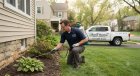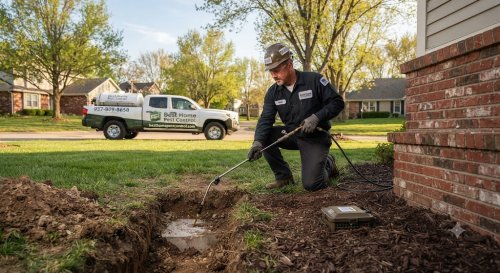
Localized Introduction & Architectural Triggers
Orlando’s unique climate—characterized by sub-tropical humidity, summer afternoon deluges, high sandy-soil water tables, and mild winters—creates ideal, year-round breeding environments for structural pests. Around Pineway Drive and throughout Central Florida, residential architecture relies heavily on concrete slab-on-grade foundations, stucco finishes, barrel-tile roofing, and frame-wood construction with shallow soffits. These structural features, combined with native vegetation like cabbage palms and oak canopies, form direct conduits for pest entry.
       [ Mature Oak Canopy / Palm Fronds ]
                       |
                       v
         [ Tile Roof / Soffit Gap ] ──► Roof Rats / Wasps
                       |
                       v
 [ Stucco Exterior / Expansion Joints ] ──► German & American Roaches
                       |
                       v
   [ Slab Foundation / Moisture Gap ] ──► Subterranean Termites
-
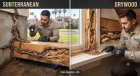
Slab-on-Grade & Stucco Weep Screeds: Concrete slabs crack over time due to ground settling in Central Florida’s sandy, high-moisture soils. Expansion joints and weep screeds at the base of stucco walls provide concealed access points for subterranean termites (Reticulitermes spp.) and American cockroaches (Periplaneta americana).
-
Barrel Roof Tiles & Soffit Gaps: Roof rats (Rattus rattus) utilize overgrown oak limbs and palm fronds contacting rooflines to gain access to barrel-tile voids and attic soffits, nesting in blown-in fiberglass insulation.
-
Seasonal Moisture Deluges: Summer afternoon thunderstorms saturate topsoil, driving ground-dwelling pests—including German cockroaches (Blattella germanica), ghost ants, and rodents—inward seeking dry micro-climates, food sources, and controlled temperatures inside air-conditioned living spaces.
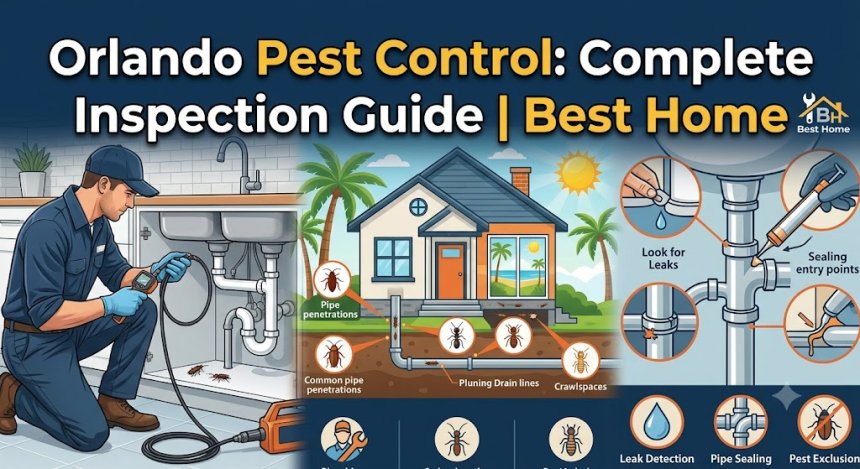
3. Seasonal Pest Prevention Framework
Fall/Winter Protocols (Dry Season Transition)
-
Exterior Envelope Sealing: Install stainless steel mesh or copper mesh inside weep screeds, roof ridge vents, and utility wall penetrations (A/C line sets, exterior plumbing).
-
Attic & Soffit Inspection: Check blown-in attic insulation for rat burrows, grease rub marks, or urine staining. Seal fascia voids using polyurethane foam backed by hardware cloth.
-
Firewood & Debris Clearance: Store firewood at least 20 feet away from structure walls and elevated 6 inches off the ground to prevent Argentine ant and termite nesting.
Spring/Summer Protocols (Wet & Swarming Season)
-
Vegetation Clearances: Maintain an 18–24 inch physical buffer zone between exterior foliage, tree branches, and exterior wall cladding to eliminate pest bridges.
-
Drainage & Moisture Control: Divert downspout extensions a minimum of 4 feet away from the slab. Clean clogged gutter systems to avoid standing water pockets on fascia boards.
-
Door Sweeps & Screens: Install heavy-duty neoprene door sweeps on all exterior doors, including garage threshold seals, to eliminate gaps exceeding 1/16 inch.
Year-Round Interior Habits
-
Food Storage Security: Store grains, pet food, and pantry items in airtight glass or heavy-duty plastic containers with rubber seals.
-
Humidity Management: Maintain interior relative humidity below 50% using A/C systems or dedicated dehumidifiers in utility rooms and garages to inhibit cockroach and silverfish survival.
-
Avoid Repellent Overuse: Avoid consumer-grade pyrethrin aerosol sprays on active ant trails or roach harbourages; repellent chemistries fracture colonies, causing "budding" and spreading the infestation across drywall voids.
4. Emergency Dispatch Matrix
| Emergency Scenario | Primary Structural & Health Risks | Immediate Action Required |
| Active Rodents in Living/Prep Zones | Electrical fires from gnawed wiring, airborne transmission of hantavirus, salmonella, and leptospirosis. | Isolate the zone, secure open food, cover cooking surfaces, and dial 937-809-8658 for immediate trapping and mechanical exclusion. |
| Stinging Insects Inside Wall Voids | Anaphylaxis risk; structural drywall failure caused by nest decay, moisture build-up, or honey melting. | Do not plug the exterior entry hole (forces insects into interior rooms). Discontinue nearby lighting and schedule immediate professional extraction. |
| Interior Wildlife Encounters (Raccoons/Opossums) | Physical aggression, rabies hazard, ectoparasite introduction (fleas, mites), severe insulation contamination. | Vacuum-seal pets away from the area, do not corner the animal, and call professional wildlife dispatch immediately. |
| Severe Bed Bug Infestation | Severe allergic dermatitis, secondary bacterial skin infections from scratching, sleep deprivation, rapid multi-room transfer. | Isolate bedding, do not move furniture between rooms, run infested fabrics through high heat (140°F+) for 30 minutes, and call for professional thermal/chemical remediation. |
5. Systematic 5-Step Professional Inspection Workflow
[Step 1: Perimeter Mapping] ──► [Step 2: Micro-Habitat Analysis] ──► [Step 3: Species Staging]
                                                                            |
                                                                            v
[Step 5: Follow-Up & Exclusion] ◄── [Step 4: Custom IPM Formulation] ◄──────┘
-
Step 1: Exterior Perimeter & Entry Point Mapping
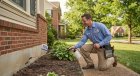
A technician inspects the exterior slab-on-grade base, weep holes, plumbing penetrations, rooflines, and foliage contact points, recording physical entry vectors and structural vulnerabilities.
-
Step 2: Interior Micro-Habitat & Moisture Analysis
Using FLIR thermal imaging cameras and pinless moisture meters, technicians locate hidden moisture pockets, thermal anomalies inside wall cavities, leaking plumbing lines, and structural rot behind cabinetry.
-
Step 3: Species Identification & Population Density Staging
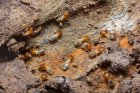
Technicians identify exact species (e.g., German vs. Asian cockroach, Formosan vs. Eastern subterranean termite) and stage the infestation level based on fecal specking density, shed exuviae, frass, or active harborage tracking.
-
Step 4: Custom Integrated Pest Management (IPM) Formulation
A targeted plan is formulated, prioritizing non-chemical physical exclusions, mechanical trapping, insect growth regulators (IGRs), and non-repellent transfer agents tailored specifically for the property layout.
-
Step 5: Targeted Application, Exclusion Installation & Follow-Up Monitoring
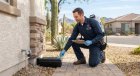
Precision applications of non-repellent liquid barriers (fipronil, chlorfenapyr) and gel baits are combined with hardware exclusion (copper mesh, door sweeps). Follow-up monitoring stations are placed to track pop-down trends.
6. DIY Boundaries vs. Professional Interventions
| Safe DIY Homeowner Tasks | High-Risk / Pro-Only Interventions |
| Installing surface snap traps with bait (peanut butter) along baseboards. | Applying liquid termiticides or soil injection around foundations. |
| Sealing ground-level gaps with standard silicone caulk under 1/4 inch. | Structural wall-void dusting or aerosol injection near electrical outlets. |
| Clearing leaf litter, unclogging rain gutters, and pruning low branches. | Treating active stinging insect nests embedded inside wall voids. |
| Storing pantry foods in plastic sealed containers and fixing leaky faucets. | Managing severe bed bug heat treatments or whole-home fumigation. |
4 Immediate Professional Call Triggers
-
Daylight Sightings: Observing nocturnal pests (rodents, German roaches) during daylight hours indicates extreme population saturation and nest overcrowding.
-
Wall Scratching or Buzzing: Unexplained scratching, clicking, or high-pitched humming originating from behind drywall or attic voids.
-
Structural Frass or Mud Tubes: Finding pencil-width mud tubes along slab walls or sand-like pellet mounds (termite frass) under wooden structures.
-
Unexplained Allergic Symptoms: Asthma flare-ups, unexplained night bites, or respiratory irritation linked to pest feces, shed skin casing, or dust.
7. Warning Signs: Sensory Diagnostics & Risks of Delay
Sensory Indicators
-
Auditory: Rhythmic scratching or scampering sounds overhead in attics late at night (roof rats); soft clicking noises inside wood studs (head-banging drywood termites).
-
Visual: Grease marks (rub marks) along baseboards from rodent fur oil; shed insect wings along window sills; small pepper-like droppings in cabinet corners (cockroach/rodent fecal matter); frass accumulation under beams.
-
Olfactory: Sharp, oily, or musty ammonia scents (concentrated rat/mouse urine); sweet, pungent, moldy odors (large bed bug infestations); stale, rotting musk behind kitchen appliances (dead roach harbourage).
Cascading Consequences of Delay
Delaying treatment leads to exponential population growth and costly structural damage:
[Rodent Teeth Gnawing] ──► Damaged Electrical Sheathing ──► Short Circuits & House Fires
[Termite Consumption]  ──► Hollowed Support Studs      ──► Load-Bearing Floor/Roof Collapse
[Pest Excrement Dust]  ──► Airborne Allergens & Pathogens ──► Asthma & Respiratory Distress
8. Cost Breakdown & Pricing Variables
Professional pest control costs vary based on specific property and infestation factors rather than flat rates:
-
Initial Diagnostic & Inspection Fees: Typically ranges from $0 (complimentary with service contract) to $150 for advanced thermal imaging and invasive borescope inspections.
-
Square Footage & Architectural Accessibility: Larger homes, complex rooflines (barrel tile), multi-story structures, or restricted crawlspaces require increased labor time, safety gear, and material volume.
-
Treatment Methodology Selected: Simple baiting and monitoring systems cost less up-front, whereas thermal heat treatments, soil trenching/rodding with non-repellent termiticides, or tent fumigation involve specialized equipment and crew investments.
-
Custom Exclusion Labor & Materials: Hand-crafted structural modifications—such as custom-fitted stainless steel mesh, flashing installation, mortar repairs, and attic insulation restoration—are billed based on scope and material costs.
-
One-Time Emergency vs. Recurring Maintenance: Single emergency elimination visits carry higher initial labor costs, whereas recurring quarterly/monthly IPM maintenance plans spread costs predictably over time while offering continuous protection guarantees.
9. Professional Equipment & Diagnostic Arsenal
| Diagnostic Tool / Material | Practical Application & Function |
| FLIR Thermal Cameras | Identifies hidden moisture plumes, structural leaks, and heat signatures from rodent nests or massive termite colonies behind intact drywall. |
| Digital Borescopes | Enters 1/4-inch access holes to inspect internal wall cavities, pipe chases, and cabinet voids without destructive wall tearing. |
| Pinless Moisture Meters | Detects relative moisture levels inside wood studs, drywall, and subflooring to isolate active termite and fungus breeding zones. |
| Acoustic Listening Devices | Amplifies structural movement, gnawing sounds, and wood-destroying insect activity embedded deep within timber framing. |
| Non-Repellent Transfer Chemistries | Actives (e.g., Fipronil, Chlorfenapyr) that insects pass through undetected, carrying lethal doses back to the central queen/colony via grooming and contact. |
10. Industry Hard Truths & Insider Facts
-
The Fogger Fallacy: Over-the-counter bug bombs or total-release foggers use volatile synthetic pyrethroids that act as strong repellents. They fail to penetrate cracks and crevices; instead, they scatter the colony deeper into wall cavities, electrical outlets, and adjoining rooms, compounding the infestation.
-
Ultrasonic Plug-ins Are Unscientific: Decades of entomological research show that pests quickly acclimate to ultrasonic sound frequencies. These devices offer zero long-term deterrent value and fail to replace physical exclusion and IPM methodologies.
-
Chemicals Without Exclusion Always Fail: Chemical treatments provide temporary relief. If structural entry points (gaps, vents, weeping holes) remain open, new pest populations will continually re-enter once chemical barriers degrade.
-
The Homeowners Insurance Trap: Over 95% of standard homeowners insurance policies explicitly classify damage caused by termites, wood-boring insects, and rodents as "preventable maintenance," leaving homeowners entirely responsible for thousands of dollars in structural repairs.
11. Comprehensive FAQ Section
How long until I see total colony elimination after treatment?
For general insects like ants or roaches using non-repellent baits and IGRs, initial reduction occurs within 48 to 72 hours, with complete colony collapse taking 14 to 21 days. Termite colony elimination via baiting or soil transfer agents typically takes between 30 and 90 days, depending on colony size and species.
Are targeted IPM treatments safe for my pets and children?
Yes. Professional IPM focuses on targeted precision placement. Baits and non-repellent chemistries are applied inside wall voids, tamper-resistant bait stations, and micro-cracks entirely inaccessible to children and household pets. Once liquid applications dry completely (typically 1 to 2 hours), surfaces are safe for normal activity.
How do I distinguish winged termites from swarming carpenter ants?
Inspect the body structure, antennae, and wings closely:
TERMITE:       [Head]=== [Thorax]=== [Abdomen]  (Straight Waist)
               Antennae: Straight, beaded
               Wings: Equal length, transparent

CARPENTER ANT: [Head]---(Narrow)---[Abdomen]   (Pinched Waist)
               Antennae: Elbowed / Bent
               Wings: Unequal length (forewings longer)
How should I prepare my home before a bed bug or cockroach treatment?
For bed bugs, strip all bed linens, wash and dry them on high heat ($140^\circ\text{F}+$ for 30 minutes), clear items from bedroom floors, and vacuum thoroughly. For cockroaches, clear kitchen countertops, empty under-sink cabinets, clean food debris from behind appliances, and ensure all surfaces are dry.
Why do I see an increase in insect activity immediately after treatment?
This is known as the post-treatment "flushing out" phenomenon. Active ingredients, bait formulations, and pyrethrin dusts irritate hidden pests and disrupt their central nervous systems, driving them out of wall voids and dark harborages in search of water before they die.
Why does standard expanding spray foam fail to stop mice and rats?
Standard polyurethane expanding foam cures into a soft, air-filled plastic matrix. Rodents possess incisors capable of chewing through wood, soft metals, and plastic. They quickly chew through expanding foam unless it is reinforced with materials like copper mesh, steel wool, or heavy-gauge hardware cloth.
How often should Central Florida homes undergo pest inspections?
Due to Orlando’s year-round warmth and absence of a deep ground freeze, comprehensive structural inspections should be conducted annually for subterranean termites and wood-destroying organisms. Preventative exterior perimeter treatments are best performed on a quarterly schedule.
What are the primary foundation attractants for subterranean termites?
The primary attractants are elevated soil levels contacting wood siding or stucco weep screeds, leaking hose bibs or irrigation heads spraying foundation walls, wood-to-ground contact (such as porch posts or mulch beds), poor downspout drainage, and buried construction scrap near the slab.
Need Immediate Assistance with Hidden Pests?
Don't wait until minor pest warnings turn into costly structural repairs. Contact Best Home Pest Control at 937-809-8658 to schedule a professional inspection for your Orlando property today.