Localized Introduction & Architectural Triggers
In Orlando, Florida, pest control is a year-round structural necessity rather than an optional seasonal chore. Central Florida's sub-tropical climate stays warm enough throughout the year for eastern subterranean termites (Reticulitermes flavipes), Formosan subterranean termites (Coptotermes formosanus), roof rats (Rattus rattus), American cockroaches (Periplaneta americana), and ghost ants (Tapinoma melanocephalum) to forage without winter interruption.
                   ORLANDO SLAB & PERIMETER INFESTATION CYCLE

 [ Heavy Afternoon Rain / High Humidity ] ---> Sub-Tropical Thermal Engine
 -------------------------------------------------------------------------------------
 [ Exterior Stucco / Weep Holes         ] ---> Cold Joints & Expansion Gaps (<1/16")
 =====================================================================================
 [ Monolithic Concrete Slab Foundation  ] ---> Moisture Migration / Slab Penetrations
 ~~~~~~~~~~~~~~~~~~~~~~~~~~~~~~~~~~~~~~~~~~~~~~~~~~~~~~~~~~~~~~~~~~~~~~~~~~~~~~~~~~~~~
 [ Continuous Sandy Soil Colony Pressure] ---> Uninterrupted Subterranean Nests
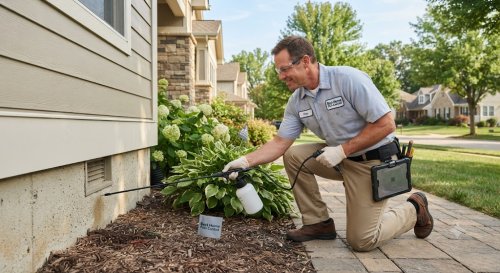
In Orange County communities like Pineway Dr, Cypress Grove, and Belle Isle, homes built on monolithic concrete slab-on-grade foundations present specific structural vulnerabilities. As heavy summer rainstorms elevate local water tables, pests are forced out of saturated sandy soil and upward into exterior stucco weep holes, expansion cold joints, garage threshold margins, and unsealed PVC plumbing penetrations. Without a continuous, active chemical and mechanical barrier around the perimeter, one-time extermination treatments leave structures vulnerable to re-infestation within 30 to 60 days.
3. Seasonal Pest Prevention Framework
Fall/Winter Protocols
-
Stucco Weep Hole & Envelope Protection: Inspect exterior stucco weep holes along slab foundations; insert copper mesh or breathable weep hole covers to block roof rats, mice, and roaches while maintaining structural wall ventilation.
-
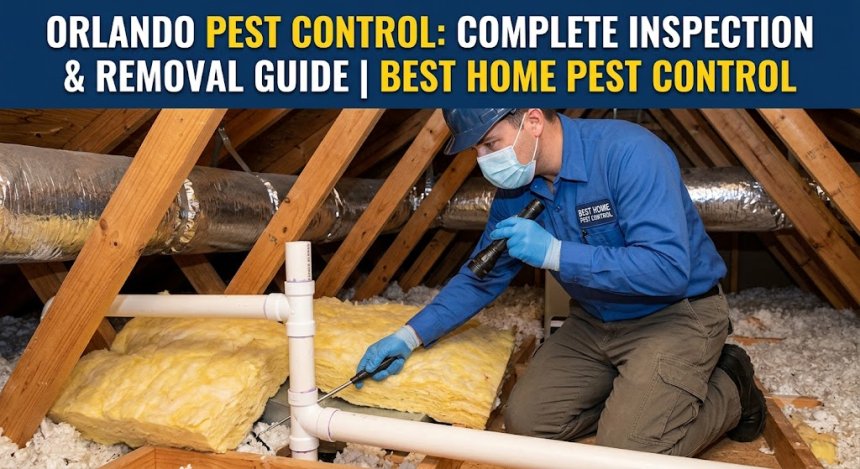
Attic Insulation & Roofline Audits: Inspect blown-in attic insulation for dampness following hurricane season rains; seal gaps around ridge vents, soffits, and gable ends with 1/4-inch heavy-gauge galvanized hardware cloth.
-
Firewood & Debris Clearance: Store firewood and scrap lumber at least 20 feet away from foundation walls and elevated 6 inches off the ground to prevent damp conditions that attract wood-boring pests.
-
Polyurethane Expansion Joint Sealing: Fill exposed expansion joints along driveways, garages, and concrete patios with exterior-grade polyurethane sealant to close crawling insect paths.
Spring/Summer Protocols
-
Vegetation Clearances: Establish an 18-to-24-inch non-cellulose buffer (pea gravel or crushed stone) between foundation walls and flowerbeds; prune tree canopies back 8 to 10 feet from rooflines to eliminate aerial pest highways.
-
Grade & Downspout Drainage: Extend downspout tails at least 6 feet away from slab edges and calibrate irrigation sprayers so water does not pool directly against exterior foundation walls.
-
A/C Condensate Line Routing: Route air conditioning condensate lines directly into outdoor drains to prevent persistent standing water against exterior walls.
-
Door Sweeps & Screens: Install heavy-duty nylon brush door sweeps on exterior entry doors and garage doors; patch window screens before peak spring swarming flights.
Year-Round Interior Habits
-
Food & Dry Good Storage: Store grains, cereal, pet food, and baking supplies in air-tight glass or plastic containers rather than original paper or cardboard packaging.
-
Indoor Relative Humidity Targets: Use central HVAC systems or dehumidifiers to keep interior relative humidity below 50%, preventing damp conditions that sustain dust mites, silverfish, and roaches.
-
Avoid Repellent Aerosol Misuse: Avoid spraying retail synthetic pyrethroid aerosol sprays along baseboards when ants or termites appear; repellent chemicals cause colonies to split (budding) and scatter deeper into interior wall framing.
4. Emergency Dispatch Matrix
| Emergency Scenario | Primary Structural & Health Risks | Immediate Action Required |
| Active Rodents in Kitchen / Food Prep Zones | Direct food supply contamination, airborne pathogen spread (Salmonella/Hantavirus), and electrical fire hazards from gnawed wire insulation. | Isolate open food supplies, block interior door gaps, and call Best Home Pest Control at +1 (937) 809-8658 for mechanical trapping and exclusion. |
| Active Subterranean Termites Piercing Drywall | Rapid degradation of structural wall studs, floor joists, and ceiling framing members. | Do NOT disturb mud tubes or spray retail pesticides. Call immediately for non-repellent transfer barrier applications. |
| Stinging Insect Nest Inside Wall Void or Attic | High anaphylaxis risks for allergic occupants and drywall saturation from honey or decaying larvae. | Vacate the room, shut interior doors, and do NOT block exterior entry holes before professional extraction. |
| Interior Wildlife Encounter (Raccoon, Bat, Opossum) | Direct bite/scratch hazards, rabies exposure risks, histoplasmosis, and major attic insulation destruction. | Isolate the animal in a single room with doors closed, keep children and pets clear, and request emergency extraction. |
5. Systematic 5-Step Professional Inspection Workflow
   [STEP 1] 360° Exterior & Slab Perimeter Entry Point Mapping
      │
      ▼
   [STEP 2] Interior Micro-Habitat & Thermal Moisture Analysis
      │
      ▼
   [STEP 3] Species Identification & Population Staging
      │
      ▼
   [STEP 4] Custom Integrated Pest Management (IPM) Formulation
      │
      ▼
   [STEP 5] Precision Perimeter Application, Exclusion & Quarterly Audit
-
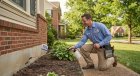
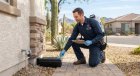
Exterior Perimeter & Entry Point Mapping: Technicians perform a 360-degree perimeter walk, inspecting stucco weep holes, expansion joints, window thresholds, hose bibs, and rooflines for pest activity or access points.
-
Interior Micro-Habitat & Moisture Analysis: Utilizing FLIR thermal imaging cameras, pinless moisture meters, and digital borescopes, technicians detect hidden moisture pockets inside drywall voids, under sinks, and around plumbing penetrations.
-
Species Identification & Density Staging: Identifying exact pest species (Coptotermes formosanus, Tapinoma melanocephalum, Rattus rattus) to evaluate population density and select targeted treatment chemistries.
-
Custom Integrated Pest Management (IPM) Formulation: Designing a multi-layered plan combining non-repellent liquid transfer agents (such as fipronil or chlorfenapyr), silica gel desiccant dusts in wall voids, and mechanical exclusion seals.
-
Targeted Application, Exclusion Installation & Follow-Up: Executing initial treatments, sealing entry points with copper mesh and polyurethane sealant, and establishing scheduled quarterly perimeter applications to maintain protection.
6. DIY Boundaries vs. Professional Interventions
| Safe DIY Homeowner Tasks | High-Risk / Pro-Only Interventions |
| Cleaning kitchen counter surfaces and sweeping floor crumbs daily. | Core-drilling concrete slabs for subterranean termiticide injections. |
| Raking mulch back 12 inches away from concrete foundation walls. | Eliminating active Formosan subterranean termite colonies inside structural walls. |
| Installing surface monitoring traps to track garage crawling insects. | Setting up commercial thermal heat remediation gear for bed bugs. |
| Applying exterior silicone caulk to non-structural window frame gaps. | Injecting non-repellent transfer chemicals or desiccant dusts into live electrical outlets. |
4 Triggers to Drop Tools and Call Best Home Pest Control at +1 (937) 809-8658:
-
Daylight Pest Sightings: Spotting nocturnal pests (roof rats, German cockroaches, bed bugs) actively foraging during daylight hours.
-
Structural Wall Sounds: Hearing clicking, buzzing, or scurrying noises coming from behind interior drywall or attic spaces.
-
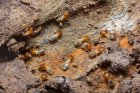
Visible Mud Tubes or Frass: Discovering earthen shelter tubes climbing concrete slab edges or piles of wood frass beneath baseboards.
-
Allergic & Health Reactions: Occupants experiencing unexplained bite clusters, respiratory irritation, or asthma flare-ups linked to pest allergens.
7. Warning Signs: Sensory Diagnostics & Risks of Delay
                       SENSORY DIAGNOSTIC CHECKLIST

      AUDITORY                     VISUAL                      OLFACTORY
  [+] Ticking/clicking in walls [+] Mud shelter tubes on slab  [+] Musty, damp soil odor
  [+] Scurrying behind drywall  [+] Shed swarmer wings on sills [+] Ammonia urine smell
  [+] Wall Void scratching      [+] Grease rub marks on baseboards [+] Sweet oily roach scent
-
Auditory Clues: Soldier termites bang their heads against wood galleries when disturbed, creating faint ticking sounds inside walls. Scurrying or scratching noises in ceilings at night point to roof rats or mice.
-
Visual Cues: Mud shelter tubes branching along concrete foundations, shed swarmer wings on window sills, grease rub marks along baseboards, and rippled or bubbled wall paint.
-
Olfactory Cues: Strong ammonia smells from rodent urine deposits near food prep zones, musky/oily smells from established cockroach aggregations, or damp, moldy soil odors indicating subterranean termite mud galleries.
Cascading Consequences of Delayed Action
Postponing pest control in Orlando leads to costly structural damage. A single colony of Formosan termites can consume structural wood framing every day, leading to floor joist failure and wall sagging. Meanwhile, rodents gnaw electrical insulation, creating short circuits and fire hazards. Addressing an established infestation after damage occurs costs significantly more than maintaining a preventive annual plan.
8. Cost Breakdown & Pricing Variables
Determining whether annual pest control plans are worth it requires comparing one-time emergency service fees against structured quarterly maintenance:
| Service Model | Average Orlando Cost Range | Coverage & Value Breakdown |
| One-Time Emergency Reactive Service | $250 – $600 per visit | Single pest focus; no ongoing warranty or follow-up protection once chemical barriers break down. |
| Annual Quarterly Maintenance Plan | $400 – $700 per year ($100–$175/quarter) | Whole-home protection for general pests, free emergency re-treatments, and ongoing perimeter barriers. |
| Annual Termite Protection Bond | $300 – $500 per year renewal | Annual WDO inspections, bait station monitoring, and structural repair guarantees. |
| Combined Comprehensive Plan (Pests + Termites) | $800 – $1,400 per year | Full-spectrum protection covering crawling insects, rodents, and wood-destroying organisms. |
                       FINANCIAL COMPARISON OVER 2 YEARS

  REACTIVE APPROACH (One-Time Calls + Repairs)
  [ One-Time Call #1 ($350) ] + [ Emergency Call #2 ($450) ] + [ Damage Repair ($2,500+) ] = $3,300+

  PREVENTIVE PLAN (Quarterly Maintenance)
  [ Year 1 Maintenance ($550) ] + [ Year 2 Maintenance ($550) ] + [ Included Re-treatments ($0) ] = $1,100
Key Cost Drivers:
-
Initial Diagnostic & Cleanout Fees: Covers detailed thermal imaging sweeps and intensive initial interior/exterior cleanouts.
-
Square Footage & Structure Accessibility: Larger homes or properties with attached lanais require additional chemical volume and exclusion materials.
-
Treatment Methodologies: Advanced non-repellent transfer chemistries and durable bait stations carry higher upfront material costs but deliver longer-lasting control.
-
Custom Exclusion Labor: Sealing complex structural entry points adds variable labor charges during initial cleanout visits.
9. Professional Equipment & Diagnostic Arsenal
| Equipment | Practical Application & Purpose |
| FLIR Thermal Imaging Cameras | Detects thermal differentials caused by hidden moisture accumulations, termite nests, and rodent clusters inside wall voids. |
| Digital Inspection Borescopes | Snake-cameras inserted through micro-holes in drywall to visually inspect wall framing without damaging finishes. |
| Pinless Moisture Meters | Measures internal moisture levels in wood studs and drywall without leaving pin holes. |
| Acoustic Listening Devices | Amplifies structural vibrations and movement sounds to locate hidden pests inside walls or ceilings. |
| Non-Repellent Transfer Chemistries | Undetectable liquid agents (Fipronil/Chlorfenapyr) that pests carry back to nests for total colony elimination. |
10. Industry Hard Truths & Insider Facts
-
OTC Total-Release Foggers Do Not Solve Infestations: Bug bombs release fine mists that settle on open surfaces without reaching pests inside wall voids or baseboards. They cause a repellent scatter effect, spreading pests throughout the home.
-
Ultrasonic Plug-In Repellers Are Ineffective: Peer-reviewed scientific studies confirm that pests quickly adapt to ultrasonic sound devices, rendering them useless for home defense.
-
Chemical Applications Without Physical Exclusion Always Fail: Spraying liquid barriers without sealing stucco weep holes, expansion joints, or utility penetrations guarantees pests will return once chemical barriers degrade.
-
The Insurance Trap: Standard Florida homeowner insurance policies explicitly exclude damage from termites, insects, and rodents, classifying pest damage as preventable maintenance.
11. Comprehensive FAQ Section
What is the typical timeline from treatment to total colony elimination?
With non-repellent transfer chemistries and chitin synthesis inhibitor baiting systems, worker mortality begins within 48 hours. Complete colony elimination typically occurs within 30 to 90 days as the active agent spreads to the queen and nestmates.
Are professional annual pest control treatments safe for children and pets?
Yes, when applied according to EPA labeling by a licensed technician. Treatments prioritize exterior perimeter barriers, targeted wall void dusts, and tamper-resistant bait stations placed out of reach of children and pets.
How do I visually distinguish winged termites from swarming carpenter ants?
Subterranean termites have straight antennae, a broad waist, and four equal-length wings. Carpenter ants feature elbowed antennae, a narrow pinched waist, and front wings longer than their hind wings.
How should I prepare my Orlando home before an initial pest control treatment?
Clear access pathways along interior baseboards, pull items back under kitchen/bathroom sinks, vacuum floors thoroughly, and ensure the exterior foundation perimeter is free of stored items.
Why do I see an increase in pest sightings shortly after a treatment?
This "flushing out" effect occurs as non-repellent treatments or botanical agents disrupt pest harborages, forcing hidden pests out of wall voids before they succumb to the treatment.
Why does standard expanding spray foam fail against rodent teeth?
Rats and mice easily chew through cured polyurethane spray foam. Long-lasting rodent exclusion requires copper mesh, heavy-gauge galvanized hardware cloth, or steel-infused sealing compounds embedded in expanding foam.
How frequently should an Orlando home receive professional pest inspections?
Due to Florida's warm climate and continuous pest pressure, homes should undergo professional inspections and preventive perimeter treatments every three months (quarterly), with annual structural WDO inspections.
What are the primary foundation attractants for subterranean termites on slab homes?
Persistent perimeter soil moisture from misdirected sprinkler heads, mulch touching stucco weep holes, buried scrap lumber, and direct wood-to-soil contact around patio posts or spigots create primary attraction zones.
Need Reliable Local Pest Control Maintenance?
Contact Best Home Pest Control today at +1 (937) 809-8658 to schedule your comprehensive structural inspection and learn how our annual pest control plans protect your Orlando, FL home year-round.