Pest Control in California
Protect your California property from persistent pests with expert extermination services. Serving homeowners statewide. Call 937-809-8658 today for fast relief!
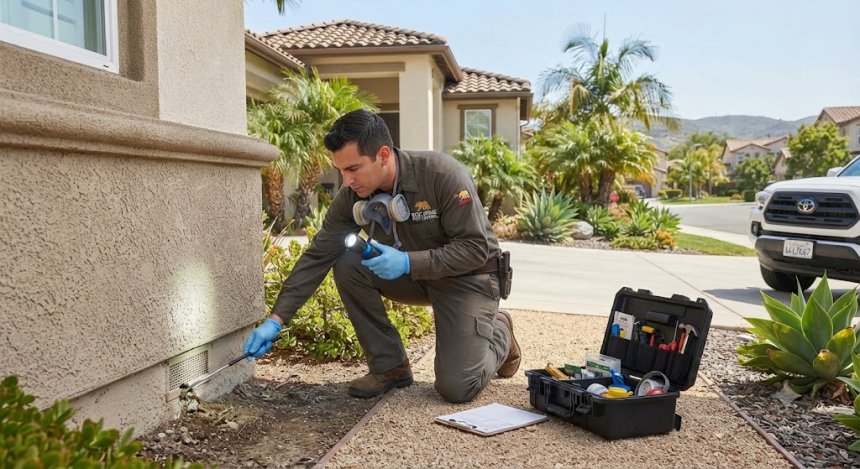
Navigating pest control in California requires a deep understanding of unique regional climates, diverse ecosystems, and resilient pest species that adapt rapidly to urban, suburban, and rural environments. From the coastal fog zones of the Bay Area to the dry heat of the Central Valley and the sprawling expanse of Southern California, property owners face year-round pressure from unwanted invaders.
As experienced exterminators with over 15 years of frontline service, we recognize that standard, one-size-fits-all treatments fail to deliver lasting results. Effective pest management demands a strategic blueprint focused on identification, structural exclusion, environmental modification, and targeted treatments.
The California Pest Landscape: Why Local Climate Drives Infestations
Unlike regions with harsh, freezing winters that naturally suppress insect populations, California’s mild climate and fluctuating drought-to-rain cycles create an environment where pests remain active across all twelve months. Pests do not disappear; they simply shift locations based on their search for moisture, food, and thermal shelter.
Understanding the biological drivers of regional pests helps property owners anticipate invasions rather than constantly reacting in panic. Structural integrity, landscaping choices, and irrigation management play monumental roles in determining whether a home remains a fortress or becomes a sanctuary for pests.
Major Pests Threatening California Homes
1. Subterranean and Drywood Termites
California is a high-risk zone for wood-destroying organisms. Subterranean termites build complex underground networks, moving upward through mud tubes to attack structural framing. Drywood termites, common in coastal and southern regions, colonize seasoned wood directly, leaving behind distinct hexagonal frass pellets. Routine professional inspections are vital because these pests cause extensive hidden damage before visual symptoms appear.
2. Argentine Ants and Odorous House Ants
Ant colonies in the state expand rapidly during spring and summer months. Argentine ants form massive super-colonies, making localized DIY sprays counterproductive, as stressed colonies can split and multiply. Eliminating these pests requires baiting systems that target the queen and disrupt the entire underlying network.
3. Rodents: Roof Rats, Norway Rats, and House Mice
Urban development and shifting agricultural patterns push rodents closer to residential architecture. Roof rats excel at climbing, frequently nesting in attics and upper roof spaces, while Norway rats burrow near foundations. House mice squeeze through gaps as small as a quarter-inch, chewing through electrical wires, insulation, and drywall, presenting severe fire and contamination hazards.
4. Bed Bugs
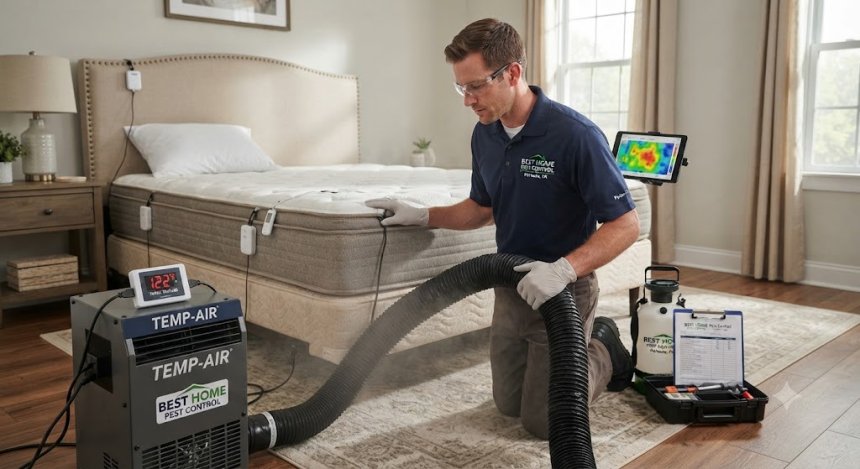
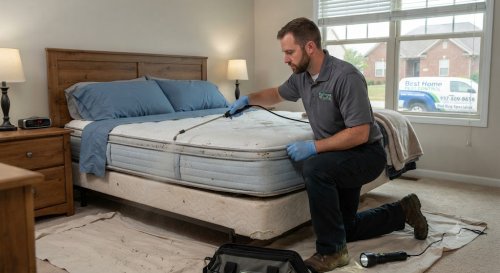
Driven by heavy tourism, transient travel, and high-density housing, bed bug infestations remain a persistent urban challenge. These resilient ectoparasites hide within mattress seams, furniture joints, and baseboards, feeding exclusively on blood and multiplying at alarming rates if left untreated.
5. Stinging Insects: Wasps and Yellow Jackets
During peak summer and early autumn, yellow jackets and paper wasps become aggressive scavengers. They construct nests under eaves, inside hollow walls, and within subterranean cavities, posing health risks to family members and pets through painful, multi-sting attacks.
| Pest Category | Peak Activity Season | Primary Threat | Effective Control Strategy |
| Termites | Spring to Summer | Structural timber damage | Liquid soil barriers & localized fumigation |
| Ants | Spring through Fall | Food contamination & colonies | Non-repellent slow-acting baits |
| Rodents | Fall to Winter | Electrical fires & insulation destruction | Exclusion sealing & trapping |
| Bed Bugs | Year-Round (Travel peaks) | Skin welts & psychological distress | Thermal heat treatments & precise liquid application |
| Wasps | Summer to Autumn | Aggressive stinging hazards | Direct nest removal & deterrent sprays |
The Four-Pillar Extermination Framework
True property protection relies on an integrated pest management (IPM) methodology that minimizes chemical reliance while maximizing structural defense.
-
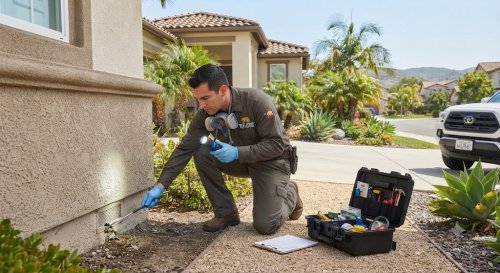
Thorough Inspection: Certified technicians evaluate the entire property layout, checking foundation cracks, utility penetrations, attic spaces, crawlspaces, and landscaping margins to identify species-specific indicators.
-
Exclusion and Sealing: Chemical treatments degrade over time, but physical exclusion is permanent. Sealing entry points with copper mesh, silicone caulk, and heavy-duty door sweeps blocks pests before they breach living areas.
-
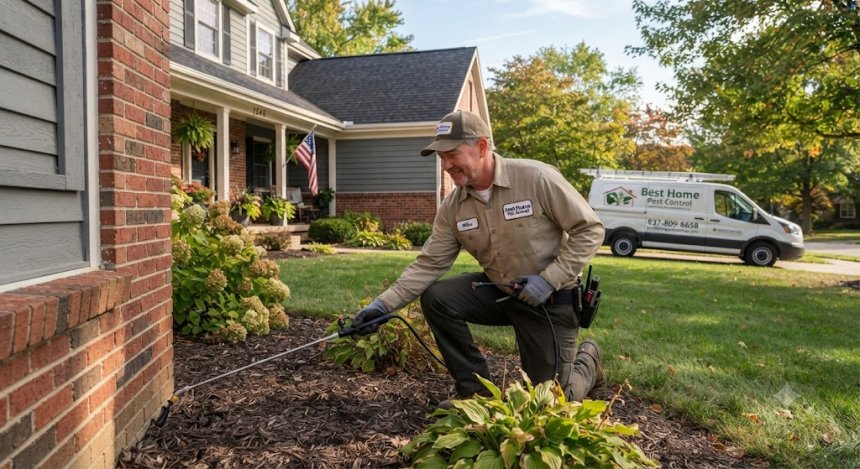
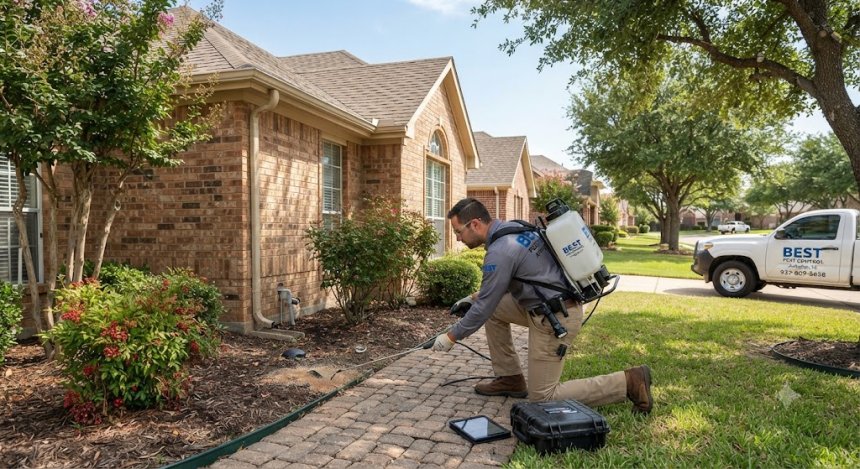
Targeted Remediation: Utilizing precise liquid applications, gel baits, or eco-conscious dusts directly into nesting zones eliminates active populations while safeguarding non-target wildlife and pets.
-
Ongoing Maintenance: Seasonal service adjustments adapt to changing weather patterns, intercepting pest reproduction cycles before minor issues escalate into major structural infestations.
Proactive Prevention Tips for Homeowners
Homeowners can drastically reduce pest pressures by altering environmental conditions around their residences. Implementing simple modifications limits the resources that attract pests indoors:
-
Manage Moisture: Fix leaking plumbing lines, clear clogged gutters, and ensure landscape sprinklers do not spray directly against exterior siding or foundation walls.
-
Maintain Defensible Space: Trim tree branches, shrubs, and ivy so they remain at least 18 inches away from exterior walls and rooflines, eliminating natural pest "highways."
-
Proper Food Storage: Store pantry items in airtight glass or thick plastic containers. Never leave pet food bowls outside overnight.
-
Secure Waste Management: Keep outdoor trash receptacles tightly sealed and wash bins out periodically to remove fermented organic residues that draw flies, roaches, and rodents.
-
Careful Storage Practices: Avoid using cardboard boxes for long-term attic or garage storage, as cellulose materials attract rodents and silverfish. Use sealed plastic totes instead.
Why Choose Professional Extermination Services?
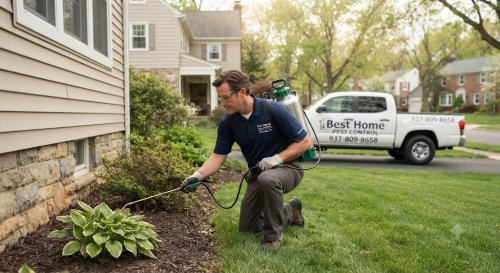
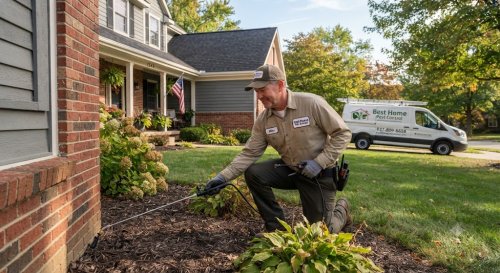
Attempting to resolve advanced infestations with over-the-counter retail sprays usually treats the symptoms rather than the root cause. Store-bought formulas often scatter social insects like ants or fail to reach deep-seated rodent nests in wall voids and attics. Professional exterminators possess specialized knowledge of pest biology, commercial-grade equipment, and safety protocols mandated by state regulatory bodies.
Partnering with an established local provider ensures your home receives customized protection tailored to your neighborhood's distinct ecological footprint. At Best Home Pest Control, our licensed technicians combine decades of hands-on experience with advanced removal techniques to keep your living environment safe, sanitary, and secure.
Do not let pests compromise your property's safety or your peace of mind. Take control of your home environment today by reaching out to our expert team at Best Home Pest Control. Call us directly at 937-809-8658 or visit besthomepestcontrol.com to schedule your comprehensive residential pest inspection and customized treatment plan.