Termite Control in Kansas City, KS
Protect your home from silent wood destroyers. Learn about subterranean termites in Kansas City, KS, inspection methods, treatment options, and local prevention tips.


Operating a home in the Kansas City metropolitan area—spanning Wyandotte County, Johnson County, and the surrounding Midwestern landscape—comes with unique environmental challenges. While tornadoes, severe thunderstorms, and heavy spring rainfall dominate local conversations, a far more silent and relentless threat operates beneath the soil. As an experienced pest management professional with over fifteen years in the industry, I have seen firsthand how subterranean termites quietly compromise the structural integrity of houses long before homeowners realize anything is wrong.
Termites do not march through your front door; they tunnel upward from the earth, hidden inside foundation walls, crawlspaces, and structural framing. In Kansas City, the clay-heavy soils and humid continental climate create an ideal habitat for these wood-destroying insects. Every year, termites cause billions of dollars in structural damage across the United States—surpassing the financial impact of many natural disasters combined—and the vast majority of these repairs are not covered by standard homeowners insurance. Understanding how to identify, treat, and prevent termite infestations is vital for safeguarding your most valuable investment.
Understanding Termite Species in Kansas City, KS
While thousands of termite species exist worldwide, properties in the Kansas City region contend primarily with one major culinary menace: the Subterranean Termite.
-
Subterranean Termites (Reticulitermes species): These social insects live in massive underground colonies that can house millions of individuals. They require constant moisture and wood cellulose to survive. Because Kansas City experiences freezing winters, subterranean termites dig deeper into the earth below the frost line during cold months, returning to surface structures as the soil warms up in the spring.
-
The Termite Caste System: To effectively combat termites, you must understand their social structure.
-
Workers: Cream-colored, blind, and wingless, workers do all the heavy lifting—chewing and consuming cellulose-based wood and feeding the rest of the colony. They are the ones causing structural damage.
-
Soldiers: Distinguished by large, elongated brown heads and powerful jaws, soldiers defend the colony from predators like ants.
-
Alates (Swarmers): Reproductive termites with dark bodies and four equal-length wings. In the spring, mature colonies send out swarmers to mate and establish new satellite colonies. Finding swarmers or their discarded wings inside your living room is a primary red flag.
-
Top Signs Your Kansas City Home Has a Termite Infestation
Because termites consume wood from the inside out, structural timbers can appear completely solid on the exterior while being hollowed out to a paper-thin shell underneath. Train your eyes to spot these critical warning signs:
-
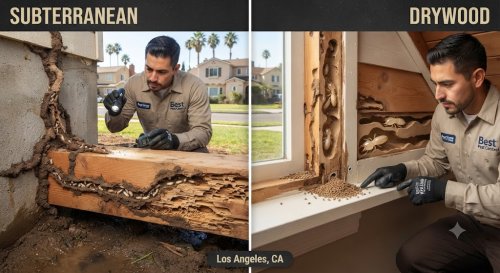
Mud Tubes (Shelter Tubes): Subterranean termites require high humidity and protection from open air and UV light. They construct pencil-width mud tunnels along concrete foundation walls, crawlspace piers, and exterior siding to travel between the soil and the wood framing.
-
Discarded Swarmer Wings: During warm spring days following a heavy rain, termite swarmers emerge en masse. After a short, clumsy flight, they shed their wings. Finding small piles of identical wings on windowsills, near baseboards, or in spider webs indoors indicates an active nearby colony.
-
Hollow-Sounding Wood: When tapping on baseboards, floorboards, or door frames with a screwdriver handle or your knuckles, a hollow or papery sound indicates that the interior wood has been eaten away.
-
Blistering or Sagging Paint: Termites tunneling close to the painted surface of wood trim or drywall introduce moisture and air pockets, causing paint to bubble, crack, or blister as if water-damaged.
-
Frass and Mud in Wood Cracks: While drywood termites push out distinctive hard fecal pellets (frass), subterranean termites pack their excavated tunnels with a mud-like mixture of soil, saliva, and digested wood.
-
Stuck Doors and Windows: As structural framing timbers are weakened and sag under the weight of the building, doors and windows that previously opened smoothly may suddenly stick or jam.
The Kansas City Termite Activity Calendar
Termite behavior shifts in response to the changing Midwestern seasons across Wyandotte and Johnson counties.
Spring: The Swarming Phase
As April and May bring heavy rainfall and warming soil temperatures, mature colonies launch their reproductive swarmers. This is when most homeowners first realize they have a termite problem. Inspections during this window catch colonies right as they expand.
Summer: Peak Foraging and Feeding
With high humidity and abundant moisture in the soil, summer is a period of aggressive feeding. Worker termites work around the clock, expanding underground foraging networks and converting cellulose into structural damage at a rapid pace.
Fall: Slowing Down and Descending
As outdoor temperatures drop through October and November, surface activity slows down. Termites retreat deeper into the soil sub-base below the local frost line to survive the winter freezing cycle.
Winter: Subterranean Survival
While winter slows outdoor movement, termites inside heated Kansas City basements, crawlspaces, and slab-on-grade homes continue feeding uninterrupted within protected indoor microclimates. Winter is an ideal time for professional indoor inspections and preventative liquid barrier treatments before spring resurgence.
Professional Termite Treatment Methods
Store-bought aerosol sprays or hardware store powders are entirely ineffective against subterranean termites because they only kill the individual insects they touch, leaving the underground queen and millions of workers untouched. Professional exterminators rely on two primary, scientifically proven defense systems:
1. Liquid Termiticide Soil Barriers
This traditional, highly effective method creates an unbroken chemical zone in the soil surrounding and beneath your foundation.
-
Non-Repellent Chemistries: Modern termiticides (such as Fipronil or Imidacloprid) are completely undetectable to termites. As foragers crawl through treated soil, they pick up the active ingredient on their bodies without realizing it.
-
The Transfer Effect: Because termites are social insects that groom and feed one another, contaminated workers unknowingly transfer the lethal compound back to the nest, eliminating the queen and collapsing the entire colony from within.
-
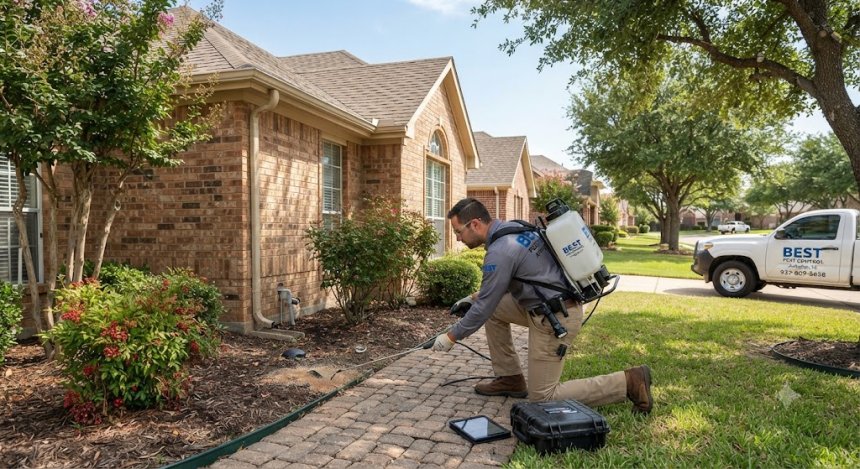
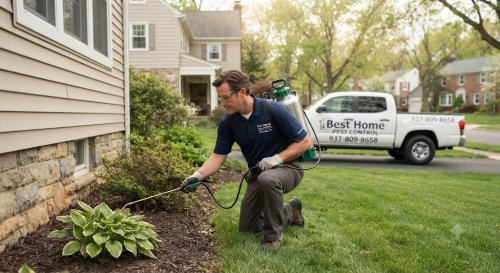
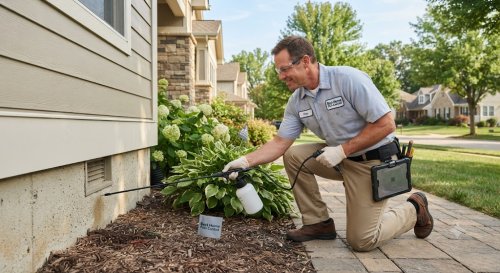
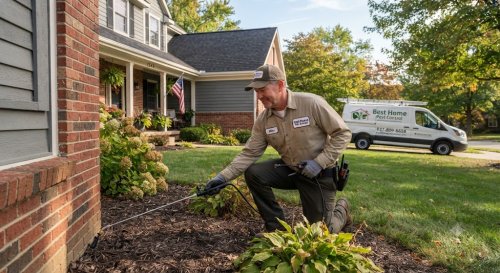
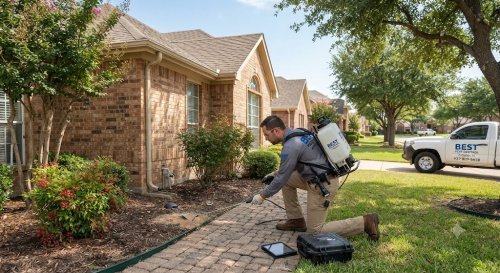
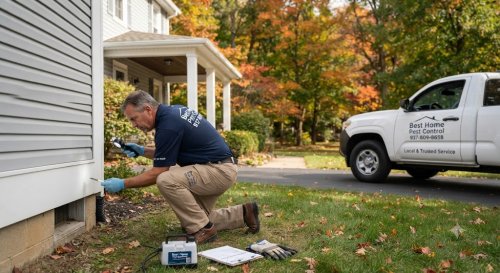
Application Scope: Technicians trench around exterior foundation walls, drill through concrete porches, patios, and basement slabs to inject termiticide into sub-slab soil voids, and treat crawlspace piers.
2. Monitoring and Bait Stations (e.g., Sentricon System)
Baiting systems offer a proactive, environmentally conscious alternative that eliminates colonies without applying liquid chemicals directly around the home perimeter.
-
In-Ground Stations: Tamper-resistant bait stations are installed in the soil at regular intervals around the perimeter of the property.
-
Cellulose Interception: Stations contain wood or cellulose matrix monitors. When foraging termites discover the station, they consume the monitor and recruit other colony members to the food source.
-
IGR Bait Replacement: Once feeding activity is verified, monitors are replaced with slow-acting insect growth regulators (IGRs) or chitin synthesis inhibitors. Termites ingest the bait and bring it back to the colony. Because the compound halts the molting process, the colony eventually dies off completely.
Preventative Steps Every Kansas City Homeowner Should Take
Termite management relies heavily on environmental modification. By removing the conditions that attract termites, you make your property an unwelcoming target:
-
Eliminate Wood-to-Soil Contact: Never allow wooden siding, door frames, or porch steps to make direct contact with bare soil. Maintain a minimum six-inch gap between soil and structural wood elements.
-
Control Moisture Levels Around the Foundation: Ensure gutters are clean and downspouts extend at least three to four feet away from the house. Grade soil so that water drains away from the foundation rather than pooling against it. Fix leaking outdoor spigots and indoor plumbing promptly.
-
Manage Yard Mulch Wisely: Keep organic mulch beds (such as wood chips or bark) at least 12 inches away from your foundation wall. Substitute stone or gravel borders directly adjacent to the house siding.
-
Properly Store Firewood: Never stack firewood directly against your house or inside your crawlspace. Keep firewood elevated off the ground and at least 20 feet away from the main structure.
-
Clear Dead Stumps and Roots: Old tree stumps, buried construction debris, and decaying root systems left in the yard after landscaping serve as prime feeding stations that draw termites straight to your property.
Why Professional Termite Inspections Matter
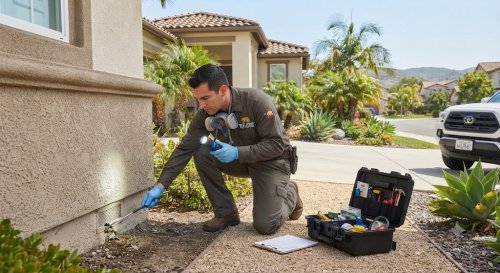
Real estate transactions in Kansas City routinely require an official Wood Destroying Insect (WDI) inspection report. However, waiting for a home sale to inspect for termites is a risky gamble. An annual professional inspection by a licensed expert provides peace of mind. Professional technicians utilize advanced diagnostic tools—including moisture meters, acoustic listening devices, and thermal imaging cameras—to detect hidden activity behind finished drywall and sub-flooring long before visible damage appears.
Protect Your Kansas City Home Today
Termite damage is progressive, quiet, and expensive. Ignoring early warning signs allows a hidden colony to slowly erode your home's structural framing and equity. Whether you need an emergency inspection, a comprehensive liquid treatment barrier, or an ongoing bait monitoring maintenance plan, professional support is just a phone call away.
-
Company Name: Best Home Pest Control
-
Phone Number: 937-809-8658
-
Website:
besthomepestcontrol.com -
Service Area: Kansas City, KS, Wyandotte County, Johnson County, and surrounding metropolitan communities.
Frequently Asked Questions
-
Does homeowners insurance cover termite damage repairs in Kansas City? No. Standard homeowners insurance policies classify termite damage as preventable wear-and-tear or maintenance neglect, meaning repair costs fall entirely on the property owner. This makes proactive preventative treatments an essential financial safeguard.
-
How long do liquid termiticide barriers last? When applied correctly by a licensed master exterminator, modern liquid termiticide barriers can protect a home for anywhere from five to eight years, depending on soil composition, local rainfall, and landscaping disturbances.
-
Can I treat a subterranean termite infestation myself using store products? DIY treatments are rarely effective against subterranean termites. Aerosol sprays and bug bombs only kill surface workers while driving the main underground colony deeper into your wall voids, allowing the destruction to continue unchecked. Complete colony elimination requires professional-grade termiticides and specialized injection equipment.