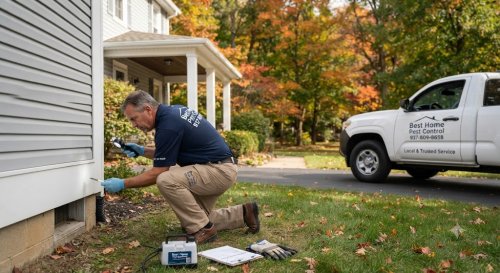
Pest Control in Indianapolis
Dealing with ants, termites, mice, or bed bugs in Indianapolis? Discover local pest trends, seasonal prevention tips, and professional extermination strategies.

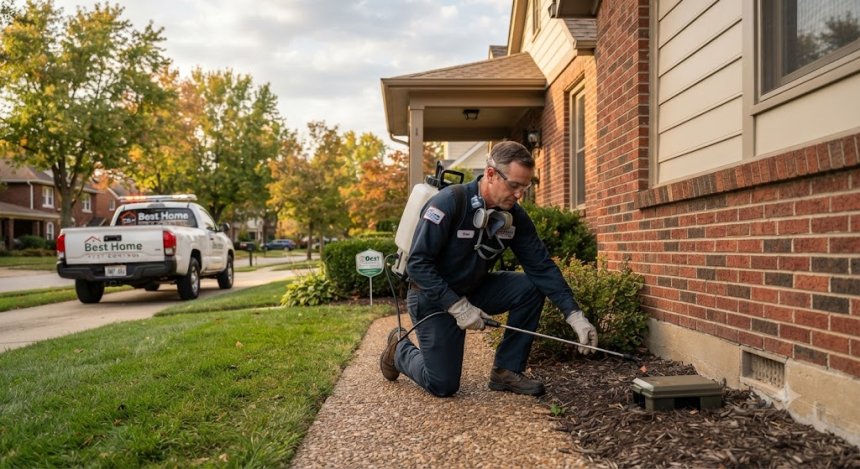
The Realities of Managing Pests in Indianapolis
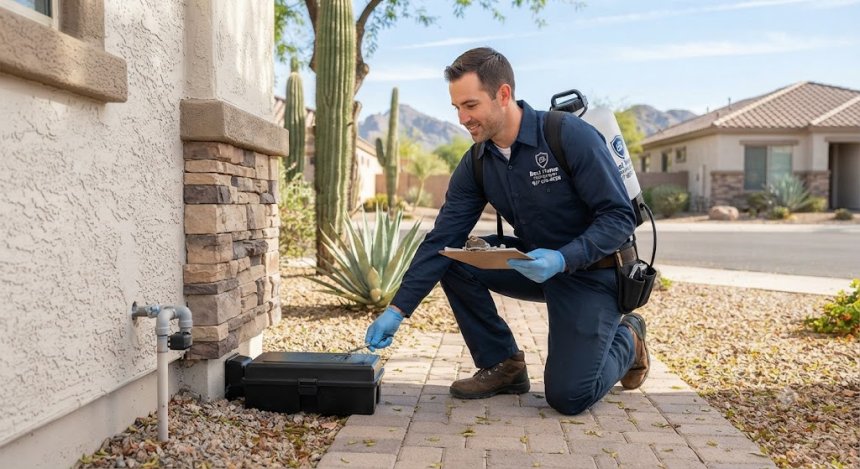
Operating a home or business in Marion County and the surrounding Circle City metropolitan area means dealing with a distinct mix of Midwestern climate challenges. From the humid, rainy stretches of mid-summer to the bitter, freezing drops in January, Indianapolis weather creates a revolving door of pest pressures. Over my 15+ years as a licensed exterminator and pest management professional, I have seen how local architectural styles—from historic Meridian-Kessler Craftsmans and Fountain Square Victorians to modern suburban builds in Carmel and Greenwood—each present unique vulnerabilities to unwanted critters.
When pests invade your living space, they are more than a simple nuisance. They contaminate food supplies, trigger severe asthma and allergies, chew through electrical wiring, and compromise structural lumber. Knowing what you are up against, when they strike, and how professional exterminators target them is your best line of defense.
Top Pests Threatening Indianapolis Homes Year-Round
While pest activity fluctuates with the weather, certain species maintain a steady presence across Central Indiana properties. Identifying them early prevents minor issues from escalating into full-scale structural invasions.
-
Subterranean Termites: These silent destroyers work underground, tunneling through foundation cracks to feast on structural wood. In Indianapolis, subterranean termites swarm in the spring, looking to establish new colonies that can cause thousands of dollars in hidden damage before homeowners notice any symptoms.
-
Carpenter Ants: Unlike termites that eat wood, carpenter ants excavate timber to carve out smooth galleries for their nests. They thrive in areas softened by moisture, such as around leaky window frames or damp crawlspaces.
-
German Cockroaches: Highly resilient and prolific breeders, German cockroaches gravitate toward warm, humid indoor spaces like kitchens and bathrooms. They spread dangerous pathogens, including E. coli and Salmonella, and produce allergens that aggravate childhood asthma.
-
Rodents (House Mice and Norway Rats): As temperatures drop every autumn, mice and rats actively seek refuge indoors. House mice can squeeze through gaps as small as a dime, chewing through drywall, insulation, and electrical cables, which creates a legitimate house fire hazard.
-
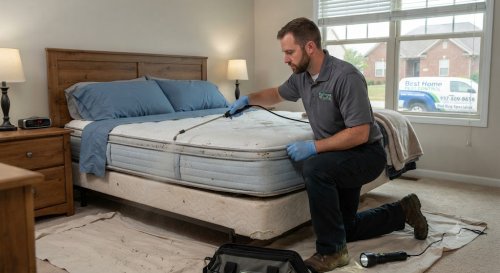
Bed Bugs: These nocturnal hitchhikers travel via luggage, clothing, and secondhand furniture, setting up colonies in box springs, mattresses, and baseboards. They feed exclusively on blood, leaving behind itchy, red welts and immense psychological stress.
-
Mosquitoes and Ticks: Driven by humid Indiana summers and standing water in yards, mosquitoes multiply rapidly, posing risks for West Nile virus transmission. Meanwhile, wooded suburban lots see heavy tick populations capable of carrying Lyme disease.
The Indianapolis Seasonal Pest Calendar
Pest behavior is tied directly to the shifts in Central Indiana's four distinct seasons. Anticipating these cycles allows property owners to stay a step ahead.
Spring: The Awakening and Swarm Season
As the snow melts and ground temperatures rise, winter dormancy ends. Ant colonies become hyperactive, expanding foraging routes into kitchens in search of water and protein. Simultaneously, winged termite swarmers emerge to search for fresh timber. Spring cleaning is the ideal time to clear out garage clutter, seal up foundation cracks, and inspect window screens.
Summer: Peak Breeding and Outdoor Pressure
High humidity and consistent heat create a breeding explosion for mosquitoes, stinging insects (wasps, yellowjackets, and hornets), and spiders. Carpenter bees bore neat, circular holes into unpainted wooden decks and eaves, while lawn grubs attract moles and voles to turfgrass.
Fall: The Great Indoor Migration
When overnight temperatures plunge in September and October, pests transition from outdoor survival to indoor sheltering. Stink bugs, boxelder bugs, and Asian lady beetles gather in large numbers along sunlit exterior siding and windows, seeking entry through tiny gaps. Mice and rats scout home perimeters for structural vulnerabilities to exploit before the deep freeze.
Winter: Indoor Confinement
Pests do not disappear in winter; they concentrate indoors. Mice, rats, and cockroaches hunker down near heating units and inside wall voids. Because homes are sealed tightly against the cold, DIY chemical applications can trap fumes inside living areas, making professional, targeted baiting and exclusion techniques essential.
Professional Pest Control Strategies vs. DIY Methods
Over-the-counter sprays and store-bought bug bombs offer temporary relief at best, and often make infestations worse.
-
The Repellent Trap: Standard consumer sprays often act as spatial repellents, causing social insects like ants or German cockroaches to scatter deeper into wall voids and split into multiple sub-colonies.
-
Targeted Elimination: Professional exterminators use non-repellent transfer baits, insect growth regulators (IGRs), and specialized dusts. Pests pick up these materials and unknowingly carry them back to the nest, wiping out the entire colony at its source.
-
Integrated Pest Management (IPM): Modern, effective pest control relies on IPM principles—combining environmental modification, structural exclusion, biological controls, and precise, low-toxicity chemical applications to achieve long-term safety without over-treating your living space.
Comprehensive Steps for Effective Home Exclusion
Stopping pests starts with denying them entry, moisture, and food. Implement these professional-grade exclusion steps around your Indianapolis property:
-
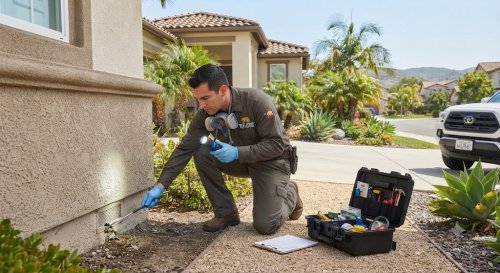
Seal All Exterior Penetrations: Use silicone caulk, copper mesh, and expandable foam to seal gaps around utility lines, dryer vents, gas pipes, and foundation cracks. Remember that a mouse needs only a quarter-inch opening to slip inside.
-
Manage Moisture Levels: Fix leaking plumbing lines immediately, clear out blocked gutters, and ensure downspouts direct rainwater at least three to four feet away from your foundation. Use dehumidifiers in damp Indianapolis basements.
-
Eliminate Food Attractants: Store pantry staples—such as flour, sugar, cereal, and pet food—in heavy-duty, airtight plastic or glass containers. Wipe down counters nightly and never leave pet food bowls out overnight.
-
Properly Manage Landscaping: Keep tree branches, shrubs, and ornamental bushes trimmed back at least two feet from your roofline and exterior walls. Store firewood stacks well away from the house foundation to prevent wood-boring insects and rodents from using them as stepping stones.
When to Call a Licensed Professional
Certain pest situations require immediate, expert intervention rather than trial-and-error home remedies:
-
Active Termite Damage: If you discover mud tubes climbing your foundation walls, discarded swarmer wings on windowsills, or hollow-sounding baseboards, call a professional immediately to protect your home's equity.
-
Persistent Bed Bug Outbreaks: Bed bugs reproduce exponentially and resist most common insecticides. Professional thermal heat treatments or specialized steam protocols are required to eradicate them across all life stages.
-
Large Rodent Nests: Scratching noises in the attic or ceilings during the night point to a major rodent infestation that requires professional trapping, tracking, and sanitary clean-up.
-
Stinging Insect Nests Near Living Areas: Yellowjacket or hornet nests hidden inside wall cavities or located near entry doors pose severe sting hazards, especially for children and pets.
Secure Your Home Today
Protecting your Indianapolis property from uninvited pests requires local expertise, timely seasonal treatments, and a commitment to permanent prevention. Whether you are battling a sudden ant invasion in your kitchen, suspect subterranean termites in your foundation, or need proactive year-round defense, professional help is just a phone call away.
-
Company Name: Best Home Pest Control
-
Phone Number: 937-809-8658
-
Website:
besthomepestcontrol.com -
Service Area: Indianapolis, Marion County, and surrounding Central Indiana communities.
Frequently Asked Questions
-
How often should I schedule preventative pest control services in Indianapolis? For most residential properties in Central Indiana, a quarterly maintenance plan is ideal. This schedule adapts to seasonal pest pressures—treating for overwintering bugs in fall, rodents in winter, emerging ants in spring, and mosquitoes in summer.
-
Are professional pest control treatments safe for children and pets? Yes. Modern licensed exterminators utilize targeted, eco-friendly application methods and botanical-derived treatments designed to minimize exposure risk while maximizing impact against target pests. Always follow your technician's post-treatment re-entry guidelines.
-
What is the most effective way to prevent mice from entering a historic Indianapolis home? Exclusion is key. Because older homes often feature settling foundations and gaps around original stonework, sealing every exterior gap with durable materials like steel wool and polyurethane sealant is the single most effective preventative step.