USA Rodent Control: Scratching in Walls Guide | Best Home Pest Control
Hearing scratching in your walls at night? Identify rodent entry, nests, and health risks. Act fast and call Best Home Pest Control at 937-809-8658.

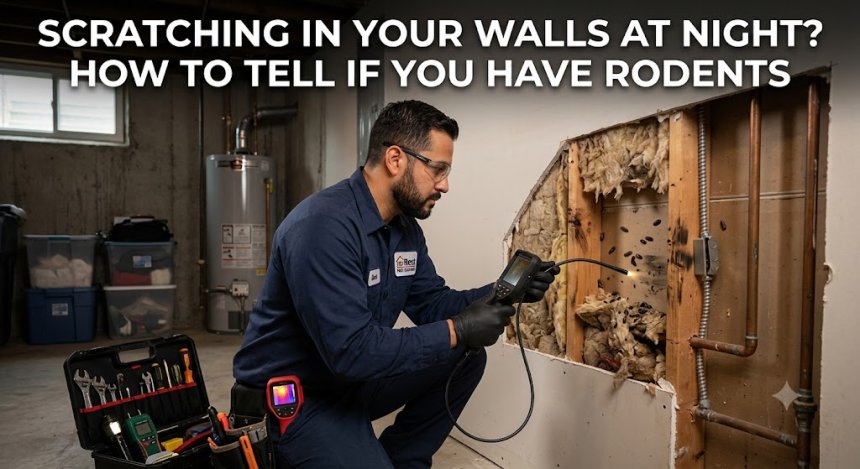
Scratching in Your Walls at Night? How to Tell If You Have Rodents
Auditory cues like scratching, scampering, or gnawing inside wall voids between dusk and dawn are primary indicators of nocturnal commensal rodents—specifically the Norway rat (Rattus norvegicus), Roof rat (Rattus rattus), or House mouse (Mus musculus). Across American residential construction, rodents take advantage of seasonal microclimate shifts and structural gaps to enter indoor living spaces.
+-----------------------------------------------------------------------------------+
|                        RODENT INGRESS & STRUCTURAL VULNERABILITY                  |
+-----------------------------------------------------------------------------------+
|  [ Cold Snap / Frost Line ] ---> Forces Rodents to Track Heat & Food Signatures   |
|                                                                                   |
|  [ Unsealed Foundation ]    ---> Micro-gaps (1/4" Mouse, 1/2" Rat) = Entry        |
|                                                                                   |
|  [ Wall Void Insulation ]   ---> Ideal Nesting Environment + Chewed Wiring Risk   |
+-----------------------------------------------------------------------------------+
-
Foundation Cold Joints & Utility Chases: Foundation settling and unsealed utility penetrations (gas lines, AC refrigerant lines, electrical conduit) leave gaps where rodents can enter. A mouse needs an opening of only $1/4$ inch ($6\text{ mm}$), while a rat can squeeze through a $1/2$-inch ($12\text{ mm}$) gap.
-
Basements & Crawlspaces: Unsealed crawlspaces and older stone or concrete basements allow rodents to move from exterior soil into interior sill plates. Once inside, they use vertical wall voids as protected runways to travel between floor levels.
-
Overhanging Canopy & Rooflines: Mature neighborhood tree branches overhanging rooflines act as direct bridges for Roof rats and mice. Unscreened soffit vents, compromised attic ridge vents, and gaps around chimney flashing provide easy entry into attic spaces and upper wall framing.
Ignoring night activity in wall voids allows small populations to expand into full infestations, increasing risks of structural insulation degradation, electrical fires from chewed wires, and airborne pathogen exposure.
3. Seasonal Pest Prevention Framework
Controlling rodent movement and securing the building envelope requires a systematic, seasonal maintenance strategy based on Integrated Pest Management (IPM).
+-----------------------------------------------------------------------------------+
|                        SEASONAL MOISTURE & PEST MANAGEMENT                        |
+-----------------------------------------------------------------------------------+
|  SPRING/SUMMER           |  FALL/WINTER             |  YEAR-ROUND INTERIOR        |
|  - 18-24" Veg Buffer     |  - Seal Envelope         |  - Crawlspace RH <50%       |
|  - Extend Downspouts 5'+ |  - Manage Firewood       |  - Fix Micro-Leaks          |
|  - Maintain Soil Gap 6"+ |  - Clear Weep Holes      |  - Monitor Plumbing Chases  |
+-----------------------------------------------------------------------------------+
Fall/Winter Protocols
-
Exterior Building Envelope Sealing: Seal exterior wall penetrations, weep holes, and foundation cracks using high-density copper mesh or Xcluder stainless steel wool backed with heavy-duty polyurethane sealant.
-
Attic & Crawlspace Insulation Audits: Inspect crawlspaces and attics for flattened fiberglass batts, burrow tunnels, and rodent droppings. Replace contaminated insulation and seal wall entry points.
-
Cellulose & Firewood Management: Elevate firewood piles at least 6 inches off the ground and store them at least 20 feet away from foundation walls to prevent harborage zones.
-
Weep Hole Protection: Install stainless steel wire mesh weep hole covers to permit air circulation while blocking rodent access.
Spring/Summer Protocols
-
Vegetation Clearances: Maintain an 18-to-24-inch cleared gap between exterior walls and garden vegetation, shrubs, or climbing vines. Trim tree branches back at least 6 to 8 feet from rooflines.
-
Drainage & Grade Management: Direct downspout drain lines at least 5 feet away from foundation walls. Ensure perimeter soil slopes away from the foundation to prevent pooling water.
-
Door Sweeps & Screens: Install heavy-duty brush or rubber door sweeps on all garage doors and exterior entryways. Ensure window screens fit tightly within their frames.
Year-Round Interior Habits
-
Pantry Storage Protocols: Store grain, pet food, and pantry items inside rigid glass or heavy-gauge plastic containers with airtight seals.
-
Relative Humidity Control: Keep basement and crawlspace relative humidity below 50% using continuous dehumidifiers to minimize water sources.
-
Avoid Aerosol Spray Misuse: Do not spray repellent aerosol chemicals into wall voids. This causes rodents to move into living areas or construct new exit holes through interior drywall.
4. Emergency Dispatch Matrix
| Emergency Scenario | Primary Structural & Health Risks | Immediate Action Required |
| Active Rodents in Living/Prep Zones | Chewed electrical wire insulation (fire hazard), food supply contamination (Salmonella, Leptospirosis), airborne pathogens from droppings (Hantavirus). | Isolate food supplies in sealed glass or metal containers. Do not dry-sweep droppings (prevents aerosolizing pathogens). Call Best Home Pest Control at 937-809-8658 immediately. |
| Indoor Termite Alate Swarm | Active mature colony residing inside structural framing; risk of load-bearing timber destruction. | Do not spray pyrethroid aerosols. Vacuum up emerging swarmers, save specimens in a jar for species identification, and request an urgent inspection. |
| Interior Stinging Insect Nest | Drywall breakdown from nest moisture; risk of mass indoor stinging incidents and anaphylactic shock. | Close off the affected room. Do not plug exterior entrance gaps (forces yellowjackets or wasps to chew through interior drywall). Schedule professional targeted dust extraction. |
| Severe Bed Bug Infestation | Rapid indoor colonization, severe sleep deprivation, secondary skin infections from scratching bite locations. | Avoid moving infested furniture or bedding between rooms. Vacuum seams, wash bedding in high heat, and contact a licensed specialist for remediation. |
5. Systematic 5-Step Professional Inspection Workflow
To eliminate rodent populations in wall voids permanently, Best Home Pest Control uses a 5-step diagnostic and remediation process grounded in Integrated Pest Management (IPM):
+-----------------------------------------------------------------------------------+
|                        5-STEP DIAGNOSTIC WORKFLOW MATRIX                          |
+-----------------------------------------------------------------------------------+
|  [Step 1] Exterior Perimeter & Entry Point Mapping                                |
|     └─ Map utility penetrations, foundation gaps, grease rub marks, and rooflines|
|                                                                                   |
|  [Step 2] Interior Micro-Habitat & Thermal Analysis                               |
|     └─ Deploy FLIR thermal imaging, pinless moisture meters, and digital borescopes|
|                                                                                   |
|  [Step 3] Species Identification & Population Density Staging                     |
|     └─ Analyze dropping morphology, track paths, and damage to assess colony size|
|                                                                                   |
|  [Step 4] Custom Integrated Pest Management (IPM) Formulation                    |
|     └─ Combine mechanical exclusion, structural sanitization, and snap trapping   |
|                                                                                   |
|  [Step 5] Mechanical Exclusion, Trapping, & Follow-Up Monitoring                  |
|     └─ Perform copper mesh/polyurethane exclusion and schedule follow-up checks  |
+-----------------------------------------------------------------------------------+
Step 1: Exterior Perimeter & Entry Point Mapping
We conduct a thorough 360-degree inspection of the building envelope, checking for:
-
Unsealed utility gaps, crawlspace vents, and garage door weather seals.
-
Dark, oily sebum rub marks (grease rub marks) left along foundation edges, siding corners, and pipe chases.
Step 2: Interior Micro-Habitat & Thermal Analysis
Technicians inspect attics, basements, utility chases, and interior wall voids:
-
Using FLIR thermal imaging cameras to locate thermal signatures from hidden rodent nests and moisture pockets behind drywall.
-
Deploying digital fiber-optic borescopes through existing openings to view internal wall void runways without opening wall panels.
Step 3: Species Identification & Population Density Staging
We confirm the rodent species and estimate population size:
-
Distinguishing mouse droppings ($3\text{--}6\text{ mm}$, pointed ends) from Norway rat droppings ($18\text{--}20\text{ mm}$, blunt capsule ends) or Roof rat droppings ($12\text{--}13\text{ mm}$, pointed sausage shape).
-
Assessing population size based on dropping accumulation, gnaw mark size, and visual sightings.
Step 4: Custom Integrated Pest Management (IPM) Formulation
We create a customized elimination strategy based on inspection findings:
-
Prioritizing mechanical exclusion and targeted trapping over rodenticide baits inside wall voids (which cause decaying odor issues).
-
Addressing structural vulnerabilities and sanitation factors alongside population control.
Step 5: Mechanical Exclusion, Trapping, & Follow-Up Monitoring
-
Sealing entry points using copper mesh, Xcluder steel fabric, and heavy polyurethane sealants.
-
Placing precision snap traps along verified runway paths inside attics, basements, and utility chases.
-
Scheduling follow-up visits to monitor trap catches, reset equipment, and confirm complete exclusion success.
6. DIY Boundaries vs. Professional Interventions
| Safe DIY Homeowner Tasks | High-Risk / Pro-Only Interventions |
| Storing pantry items in sealed glass or metal food containers. | Large-scale attic or crawlspace decontamination and biohazard droppings cleanup. |
| Clearing leaf litter, wood piles, and debris 20+ feet from foundation walls. | Sealing elevated roofline entry points, soffits, and high ridge vents. |
| Installing standard rubber door sweeps on exterior entry doors. | Wall void trapping and removing dead rodents from behind sealed drywall. |
| Running interior dehumidifiers to maintain basement relative humidity <50%. | Full structural mechanical exclusion using copper mesh and polyurethane sealants. |
| Setting consumer snap traps along exposed interior wall edges. | Deploying regulated rodenticide monitoring systems in tamper-resistant stations. |
+-----------------------------------------------------------------------------------+
|                        4 MANDATORY PROFESSIONAL TRIGGER CONDITIONS                |
+-----------------------------------------------------------------------------------+
|  [Trigger 1] Daytime Rodent Sightings in Living Areas                             |
|  [Trigger 2] Nighttime Wall Scratching / Chewing Acoustics in Multiple Rooms       |
|  [Trigger 3] Flickering Lights or Exposed Electrical Wires From Gnawing           |
|  [Trigger 4] Pungent Ammonia Odors or Accumulation of Droppings in Utility Chases   |
+-----------------------------------------------------------------------------------+
7. Warning Signs: Sensory Diagnostics & Risks of Delay
Distinguishing rodent infestations from other hidden structural pests requires analyzing visual, auditory, and olfactory indicators:
+-----------------------------------------------------------------------------------+
|                           SENSORY DIAGNOSTIC MATRIX                               |
+-----------------------------------------------------------------------------------+
|  SENSE     | COMMENSAL RODENTS                   | WOOD-DESTROYING INSECTS        |
|  ----------+-------------------------------------+--------------------------------|
|  Auditory  | Scurrying, loud gnawing, squeaking  | Soft clicking (soldier heads), |
|            | behind drywall late at night.       | papery rustling in timber.     |
|  ----------+-------------------------------------+--------------------------------|
|  Visual    | Dark droppings, grease rub marks,   | Fine wood frass, mud tubes,    |
|            | chewed wire/wood edges, shredded    | shed swarmer wings, pinholes   |
|            | fiberglass batt insulation.         | in drywall paint surfaces.     |
|  ----------+-------------------------------------+--------------------------------|
|  Olfactory | Sharp, pungent ammonia urine scent; | Mildewy, damp earth odor       |
|            | stale, musky nest odors.            | near packed mud galleries.     |
+-----------------------------------------------------------------------------------+
Sensory Indicators
-
Auditory Signals: Rodents are active primarily at night. Loud gnawing, dragging sounds, squeaking, and rapid scampering inside wall cavities or attic floors point to mice or rats. Soft, steady clicking or rustling indicates insect activity (such as carpenter ants or termites).
-
Visual Signals: Search for dark, rice-sized mouse droppings or larger capsule-shaped rat droppings along baseboards, inside sink cabinets, and near hot water tanks. Dark, oily rub marks (grease marks) along wall bases indicate active travel routes.
  MOUSE DROPPING (3-6mm)              NORWAY RAT DROPPING (18-20mm)
     (___)  <- Pointed Ends              (__________)  <- Blunt Capsule Ends
-
Olfactory Signals: Rodent infestations produce a sharp, ammonia-like urine smell alongside a musky nest odor. A heavy, decaying smell inside living areas indicates a dead rodent within a wall void or duct line.
Risks of Delay
Ignoring nighttime scratching noises in walls can lead to serious risks:
-
Electrical Fire Hazards: Rodents must gnaw continuously to wear down their fast-growing incisors. Chewed wiring sheathing inside wall cavities leaves live electrical wires exposed, creating a high risk of short circuits and structural house fires.
-
Structural Insulation Failure: Rodents shred fiberglass batts, cellulose insulation, and spray foam to construct nests, creating thermal gaps that increase home heating and cooling costs.
-
Airborne Pathogen Exposure: Rodent droppings and urine contain pathogens like Hantavirus, Salmonella, Leptospirosis, and Lymphocytic Choriomeningitis (LCMV), which can become airborne through HVAC systems.
8. Cost Breakdown & Pricing Variables
Resolving a rodent infestation involves specific inspection, exclusion, and sanitation cost factors:
+-----------------------------------------------------------------------------------+
|                        COST & PRICING VARIABLE PROFILE                            |
+-----------------------------------------------------------------------------------+
|  Diagnostic Inspection Fee     | $150 – $350 (Often credited toward treatment)    |
|  Full Structural Exclusion     | $500 – $1,800 (Based on building perimeter)      |
|  Trapping & Removal Program    | $300 – $600 (Includes follow-up service checks)  |
|  Attic / Crawlspace Sanitation | $1,200 – $3,500+ (Includes insulation cleanup)   |
|  Quarterly Preventive Plan     | $120 – $200 per quarter (Ongoing protection)     |
+-----------------------------------------------------------------------------------+
Key Drivers of Pricing:
-
Property Size & Exclusion Scope: The overall perimeter linear footage, roof height, and total number of entry points dictate exclusion labor and material requirements (copper mesh, sheet metal, polyurethane sealants).
-
Infestation Severity & Trapping Duration: Addressing established rodent populations requires multiple technician visits to reset traps, clear catches, and verify total elimination.
-
Sanitization & Biohazard Cleanup: Removing contaminated insulation, droppings, and urine from attics or crawlspaces requires specialized HEPA vacuuming, sanitization spraying, and insulation replacement.
-
Ongoing Maintenance Plans: Quarterly maintenance programs ($120–$200/quarter) maintain exterior tamper-resistant bait stations and monitor perimeter entry points to prevent new infestations.
9. Professional Equipment & Diagnostic Arsenal
| Diagnostic Tool / Technology | Technical Mechanism | Practical Application in Damage Differentiation |
| FLIR Thermal Imaging Camera | Detects surface temperature differentials ($\Delta T \ge 0.5^\circ\text{C}$) caused by animal heat signatures or missing wall insulation. | Locates live rodent nests and body heat signatures behind drywall without destructive wall openings. |
| Digital High-Definition Borescope | Uses a flexible 5.5mm fiber-optic cable with LED illumination passed through pilot holes. | Inspects internal wall voids and utility chases to confirm nest structures, chewed wires, and droppings. |
| Pinless Moisture Meters | Measures electrical capacitance to assess percentage Wood Moisture Content (%WMC). | Differentiates damp fungal rot or plumbing leaks from dry rodent nesting areas behind walls. |
| Non-Repellent Transfer Chemistries | Employs undetectable active ingredients (fipronil, chlorfenapyr) that insects cannot sense. | Used for secondary pest threats (such as fleas or mites) associated with rodent nest harborage. |
| Xcluder / Stainless Steel Mesh | High-density poly-fiber and stainless steel mesh that resists gnawing. | Permanently seals structural entry points, foundation cracks, and utility penetrations against rodents. |
10. Industry Hard Truths & Insider Facts
-
Total-Release Bug Bombs / Foggers Do Not Work on Rodents: Consumer aerosol foggers release surface mists that do not affect rodents hiding in wall voids or attics. Chemical foggers contaminate living space surfaces without addressing the rodent infestation.
-
Ultrasonic Plug-In Devices are Scientifically Ineffective: Peer-reviewed studies confirm ultrasonic pest devices do not deter rodents. Rats and mice adapt quickly to repetitive acoustic frequencies, ignoring them to reach food and shelter.
-
Poisons / Rodenticides Without Physical Exclusion Always Fail: Placing poison baits inside a home without sealing exterior entry points attracts new rodents from outdoors. Poisoned rodents often die inside inaccessible wall voids, producing severe odors and attracting secondary carpet beetle or fly infestations.
-
The Insurance Trap: Standard homeowners insurance policies in the US exclude rodent damage (including chewed wires and torn insulation), classifying it as preventable home maintenance.
11. Comprehensive FAQ Section
How long does it take to eliminate a rodent infestation in walls?
With professional mechanical exclusion and an intensive trapping strategy, complete rodent elimination inside wall voids typically takes between 7 and 14 days. Traps must be monitored and reset until zero new activity is recorded over consecutive service checks.
Are targeted rodent control methods safe for children and pets?
Yes, when performed by a licensed professional. Interior trapping uses mechanical snap traps placed inside locked, tamper-resistant trap stations, wall voids, or locked utility spaces inaccessible to children and pets. Exterior bait stations are anchored and locked.
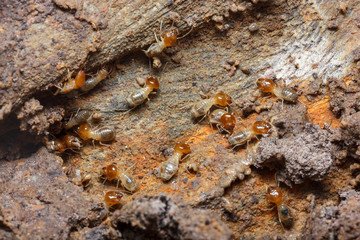
How do I visually distinguish winged termites from swarming carpenter ants?
Check three physical traits:
-
Waist: Termites have a broad, uniform waist with no narrow pinch. Ants have a narrow, pinched waist (petiole).
-
Antennae: Termite antennae are straight and bead-like. Ant antennae are distinctly elbowed.
-
Wings: Termite swarmers have four wings of equal size and shape. Carpenter ants have front wings that are larger than their hind wings.
  TERMITE SWARMER                      CARPENTER ANT SWARMER
     \  ||  /  <- Straight Antennae       \  /  <- Elbowed Antennae
      \ || /                               \/
      (____)   <- Broad Waist            (  )   <- Pinched Waist
      (____)                             (  )
     / |  | \                            / || \
    /  |  |  \                          /  ||  \
   Equal Length Wings                 Unequal Wing Lengths
How should I prepare my home for a professional rodent inspection?
Provide clear physical access along room baseboards, under kitchen sinks, around water heaters, and near attic/crawlspace access hatches. Move stored boxes and personal items at least 2 feet away from basement perimeter walls.
What causes the "flushing out" phenomenon after pest control treatments?
This effect occurs when targeted treatments disrupt pest nesting environments. Disoriented pests temporarily leave hiding spots in search of clean harborages, indicating the treatment is actively working.
Why does standard expanding spray foam fail against rodent teeth?
Standard off-the-shelf polyurethane expanding foam cures into a soft, air-filled structure that rodent incisors easily chew through. Effective exclusion requires filling openings with stainless steel mesh or copper mesh before sealing with heavy polyurethane foam or caulk.
How often should homes undergo a professional pest inspection?
Homes should receive a professional pest inspection annually. Homes in heavily wooded areas or older neighborhoods benefit from bi-annual evaluations to catch foundation shifts and structural gaps early.
What are the main attractants for subterranean termites around a foundation?
Key attractants include direct soil-to-wood contact (such as wooden deck posts or door frames touching dirt), plumbing leaks near slab foundations, downspouts discharging adjacent to foundation walls, wood mulch touching exterior siding, and unvented crawlspaces maintaining relative humidity levels above 70%.
Hear Scratching Noises in Your Walls?
Don't wait for chewed wires or insulation damage to escalate. Call Best Home Pest Control at 937-809-8658 to schedule a professional diagnostic inspection and secure your home today.