Pest Control in Boston, MA
Protect your Boston property from rodents, mice, and seasonal pests. Contact Best Home Pest Control at 937-809-8658 for reliable, local extermination services.

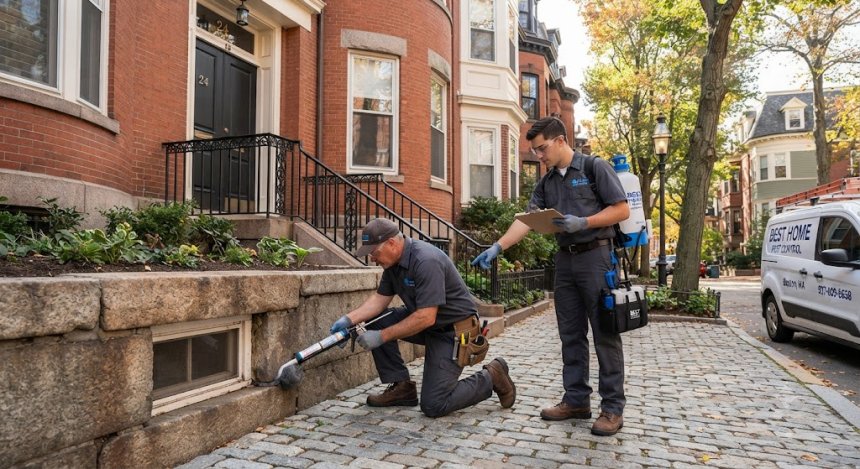
The Ultimate Guide to Pest Control in Boston, MA: Protecting Your Home All Year Round
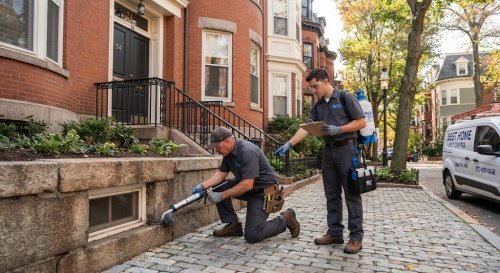
Navigating property ownership or renting in Boston comes with a unique set of challenges. From historic brownstones in the Back Bay and South End to modern developments in the Seaport and multi-family homes across Dorchester and Roxbury, Boston architecture provides plenty of cozy nooks for uninvited guests. With over 15 years of hands-on experience in the pest control and wildlife management industry, we have seen firsthand how New England's distinct seasonal shifts drive pests indoors.
At Best Home Pest Control, we believe that education and proactive prevention are just as important as active treatment. Understanding what draws pests into your living spaces and identifying them early can save you thousands of dollars in structural damage and intense stress.
Why Boston Properties Are Uniquely Vulnerable to Pests
Boston is one of the oldest and most densely populated cities in the country. This density, combined with aging infrastructure, subterranean utility tunnels, and historic building materials, creates a playground for urban wildlife and insects.
-
Historic Architecture: Older multi-family homes and brownstones often feature stone foundations with gaps, aging timber framing, and gaps around drafty windows and doors. These structural entry points allow mice and rats to squeeze through spaces as small as a dime.
-
Extreme Seasonal Fluctuations: Boston winters are brutally cold, forcing rodents and overwintering insects to seek warmth and shelter inside human dwellings. Conversely, humid summers spark rapid breeding cycles for mosquitoes, ticks, and stinging insects, while heavy spring rains drive subterranean termites and ants toward drier structural wood.
-
Urban Density and Food Sources: Close proximity to bustling commercial districts, restaurants, and active neighborhoods means urban pests like Norway rats and German cockroaches never have to look far for a meal.
The Most Common Pests in Boston and How to Handle Them
Different seasons bring different threats to Boston properties. Knowing your enemy is the first step toward effective eradication.
1. Rodents (Mice and Norway Rats)
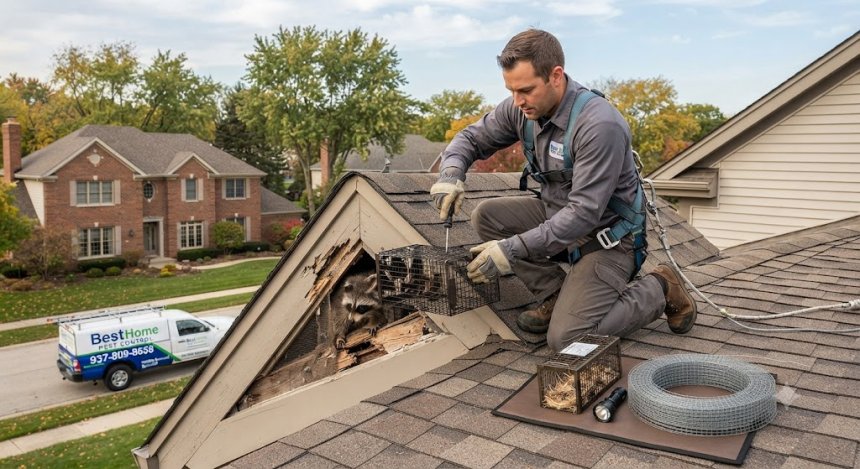
By far the most common call we receive across Greater Boston involves mice and rats. As temperatures drop in the fall, field mice, house mice, and large Norway rats migrate indoors.
-
The Warning Signs: Scratching sounds in the walls at night, droppings along baseboards or inside kitchen pantries, and a distinct musky odor.
-
The Solution: Setting traps alone rarely solves an infestation if entry points remain wide open. Effective rodent control requires professional exclusion work—sealing weep holes, reinforcing dryer vents, filling gaps around utility lines with steel wool and expanding foam, and deploying strategic tamper-resistant bait stations.
2. Carpenter Ants and Wood-Boring Pests
Boston’s damp springs and humid summers create ideal conditions for wood-destroying insects. Unlike termites that eat wood, carpenter ants excavate wood to build their expansive nests, leaving behind fine sawdust known as frass.
-
The Warning Signs: Piles of wood shavings beneath window sills, hollow-sounding wooden beams, or large winged ants swarming indoors during spring.
-
The Solution: Locating the satellite and main colonies is critical. Surface sprays only kill foraging workers, leaving the queen safely protected deep inside structural cavities. Professional micro-dusting and non-repellent liquid baits are required to completely wipe out the colony.
3. Bed Bugs
Given Boston's status as a major academic hub, dense rental market, and tourist destination, bed bug introductions are a constant concern in apartments, dormitories, and single-family homes alike.
-
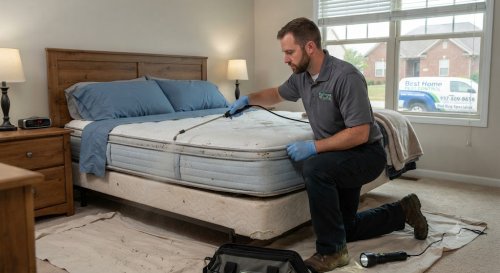
The Warning Signs: Itchy red bites appearing in clusters overnight, tiny dark blood spots on bedsheets, or cast exoskeletons hiding along mattress seams and bed frame joints.
-
The Solution: Over-the-counter bug bombs and foggers are notoriously ineffective against bed bugs and often just drive them deeper into wall voids. Specialized heat treatments or targeted residual applications administered by a licensed exterminator are essential for total eradication.
4. Cockroaches (German and Oriental Roaches)
Commonly found in multi-family urban buildings, German cockroaches thrive in warm, moist environments like kitchens and bathrooms.
-
The Warning Signs: Seeing a single roach during daylight hours usually indicates a severe, overcrowded infestation hiding behind refrigerators, dishwashers, or under sinks.
-
The Solution: Cleanliness helps, but active infestations require professional baiting programs and insect growth regulators (IGRs) that break the reproductive cycle.
Our Professional Integrated Pest Management (IPM) Approach
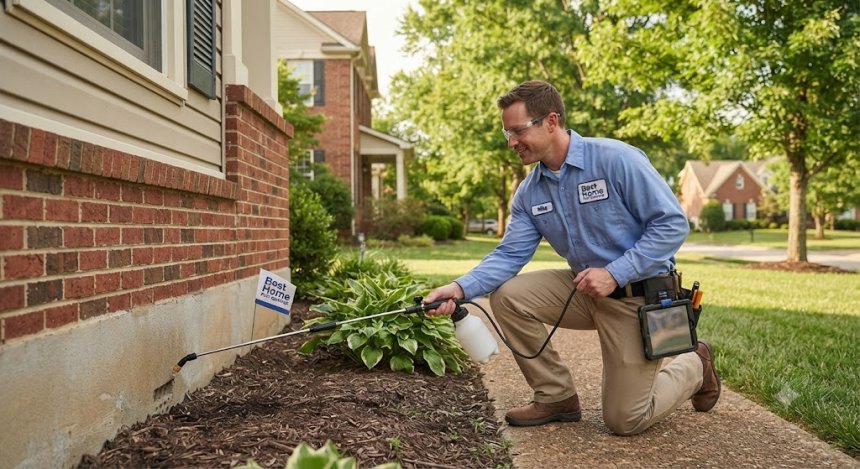
At Best Home Pest Control, we reject the temporary band-aid approach of generic, toxic chemical spraying. Instead, we rely on Integrated Pest Management (IPM) principles. IPM is an ecosystem-based strategy that focuses on long-term prevention through a combination of techniques:
-
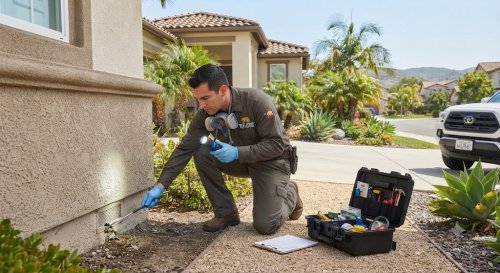
Thorough Inspection: We do not guess; we investigate. Our certified technicians track activity points, assess moisture levels, and trace pest entry points.
-
Habitat Modification: We advise property owners on practical environmental changes, such as cutting back tree branches touching the roof, correcting negative drainage grading, and proper food storage.
-
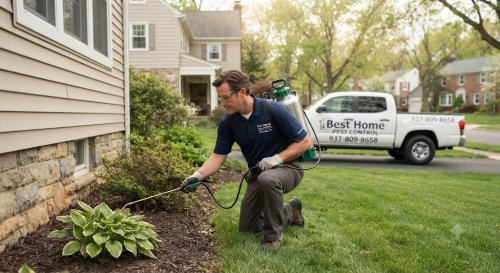
Targeted Treatment: When chemical or mechanical treatments are necessary, we apply the lowest-risk, most effective solutions precisely where they are needed, safeguarding your family and pets.
-
Exclusion and Prevention: Stopping pests before they cross your threshold is always more cost-effective than removing them after they settle in.
DIY Prevention Checklist for Boston Homeowners
While professional intervention is vital for active infestations, you can take immediate steps to harden your home against pests:
-
Seal Cracks and Crevices: Inspect your home’s foundation and exterior siding. Use silicone caulk or weather-stripping to seal gaps around windows, doors, and utility entry pipes.
-
Manage Moisture: Fix leaky plumbing pipes immediately and ensure basements or crawl spaces are well-ventilated. Use dehumidifiers in damp Boston basements to deter moisture-loving pests like silverfish and centipedes.
-
Secure Food and Trash: Store pantry items in airtight glass or thick plastic containers. Keep outdoor trash bins tightly sealed and stored away from exterior foundation walls.
-
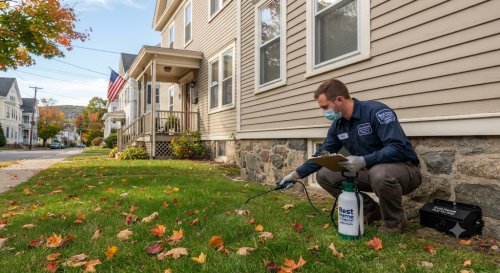
Maintain Yard Hygiene: Keep firewood stacked at least 20 feet away from your home's foundation, trim shrubbery back from exterior walls, and clear out wet leaf litter where ticks and rodents love to nest.
Call the Professionals at Best Home Pest Control Today
Pest problems rarely resolve on their own; left unchecked, minor annoyances quickly escalate into expensive property damage and health hazards. Whether you are dealing with scratching mice in the attic, a sudden swarm of ants in your kitchen, or want to set up reliable preventative barrier treatments for your property, our experienced team is here to help.
Don’t let pests take over your living space. Call Best Home Pest Control today at 937-809-8658 to schedule a comprehensive property inspection and reclaim your peace of mind with Boston's trusted extermination experts.